











In my 15 years working at the intersection of pharmaceutical manufacturing and empty hard capsule supply, I have seen the same formulation failure repeat itself: a promising drug candidate — often a peptide, probiotic, or enzyme — that performs brilliantly in dissolution testing at pH 6.8, only to fall apart in human trials because the capsule shell did not protect the payload through the highly variable gastric environment.
The root cause is almost never the drug substance. It is the capsule's pH-dependent release threshold.
Enteric-release capsules are designed to resist the acidic environment of the stomach and disintegrate in the higher pH of the small intestine. But where in the intestine they release — duodenum (pH 5.5–6.0), jejunum (pH 6.0–7.0), or ileum (pH 7.0–7.5) — is determined by the polymer coating's pH trigger threshold. Selecting the wrong threshold means the drug either releases too early (exposed to gastric acid) or too late (bypassing the optimal absorption window).
At Shancy Capsule, through our partnership with Renhe's professional technical team, we manufacture enteric-release empty HPMC capsules for pharmaceutical and nutraceutical clients worldwide. I wrote this article to give drug formulation scientists and OSD (oral solid dosage) procurement managers the pH threshold data they need to specify the right enteric capsule system for their targeted delivery application.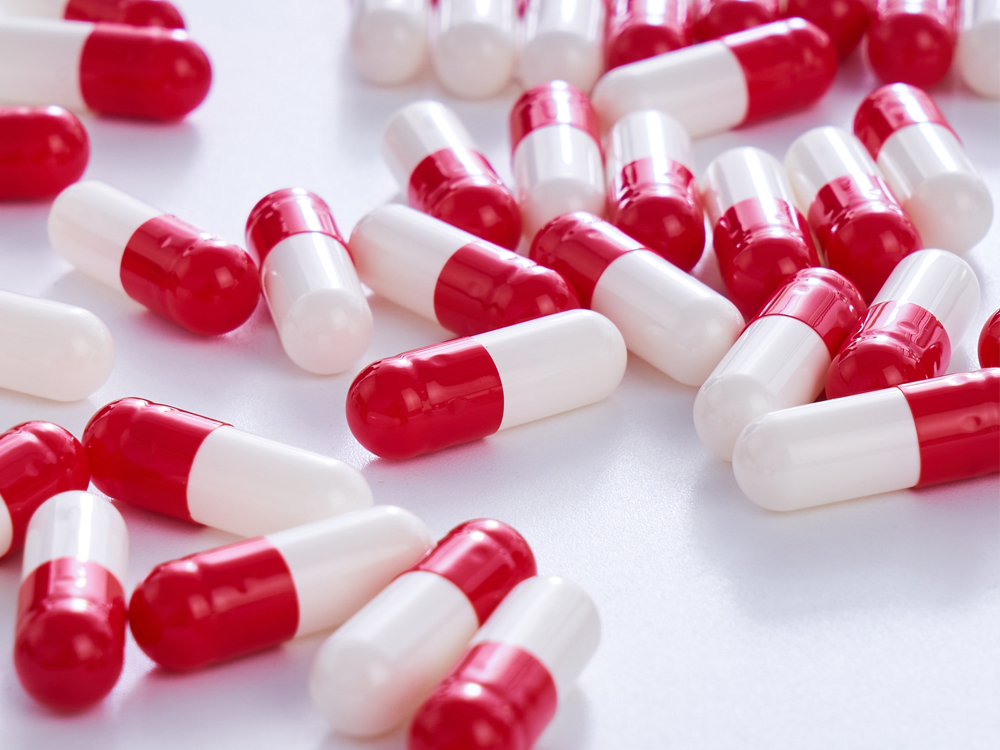
The Physiology of pH-Triggered Release — Why 1.2 and 6.8 Are Not Enough
Standard pharmacopeial methods (USP <701> and USP <712>) require enteric-coated dosage forms to resist simulated gastric fluid (SGF) at pH 1.2 for two hours, then disintegrate within 45 minutes in simulated intestinal fluid (SIF) at pH 6.8. This binary standard — resist acid, release at near-neutral — works for many delayed-release products, but it is inadequate for targeted delivery to specific intestinal segments.
Here is why. The human gastrointestinal tract presents a continuous pH gradient, not a step function:
- Stomach (fasted): pH 1.0–2.5
- Stomach (fed): pH 3.0–6.0 (can buffer enteric coatings and cause premature release — the "food effect" problem)
- Duodenum: pH 5.5–6.2
- Jejunum: pH 6.2–7.0
- Ileum: pH 7.0–7.5
- Colon: pH 5.5–7.0 (decreases due to bacterial fermentation)
I have worked on a project where a probiotic formulation intended for ileal release (target pH ≥ 7.0) was loaded into HPMC capsules coated with a standard EUDRAGIT® L 30 D-55 polymer, which dissolves at pH ≥ 5.5. The capsules released the probiotic in the duodenum — a full 60–90 minutes before reaching the ileum — exposing the viable cells to bile salts that reduced CFU counts by 3 log units. The formulation's clinical efficacy was effectively zero.
That project cost the client 18 months and over USD 400,000 in development. A different capsule shell — one with a pH threshold of 7.0 — could have saved the program.
Common Enteric Polymers and Their pH Thresholds
The enteric property of a capsule shell comes from the polymer coating or, in the case of ready-to-fill enteric HPMC capsules, from the shell material itself. Based on what we manufacture at Shancy and what the industry commonly uses, here are the relevant polymer systems and their dissolution pH thresholds:
Methacrylic Acid Copolymers (EUDRAGIT® Family)
| Polymer | Dissolution pH | Target Segment | Common Application |
|---|---|---|---|
| EUDRAGIT® L 30 D-55 / L 100-55 | ≥ 5.5 | Duodenum | Standard delayed-release, NSAIDs |
| EUDRAGIT® L 100 | ≥ 6.0 | Upper jejunum | Enzymes, pH-sensitive APIs |
| EUDRAGIT® S 100 | ≥ 7.0 | Ileum | Colonic delivery, probiotics |
| EUDRAGIT® FS 30 D | ≥ 7.0 (slow release profile) | Ileocolonic | Site-specific, peptides |
Cellulose-Based Polymers
- HPMC-AS (hydroxypropyl methylcellulose acetate succinate): Dissolves at pH 5.5–7.0 depending on the substitution type. Its advantage over methacrylates is lower ionic interaction with charged drug substances. We use HPMC-AS as the primary enteric polymer for our HPMC-based enteric capsule shells at Shancy.
- CAP (cellulose acetate phthalate): Dissolves at pH ≥ 6.0. Cost-effective but less flexible than HPMC-AS in terms of film-forming properties. Still used in some generic enteric coating formulations.
Our Manufacturing Approach at Shancy
For our specialized enteric-release empty shells, we use a base shell made from high-quality HPMC (hypromellose) with an optimized blend of HPMC-AS and a methacrylic acid copolymer to achieve the precise pH threshold requested by the client. Our standard offerings include three threshold profiles:
- SC-Enteric-55: pH ≥ 5.5 trigger, optimized for duodenal release. Coating weight: 8–10 mg/cm². Meets USP <712> gastro-resistance criteria.
- SC-Enteric-70: pH ≥ 7.0 trigger, designed for ileal targeting. Coating weight: 12–14 mg/cm². Cross-linked with a plasticizer to improve film flexibility.
- SC-Enteric-Custom: Blended threshold profile (pH 6.0–6.8) for jejunal delivery. The pH trigger is tuned by adjusting the ratio of HPMC-AS to methacrylic copolymer in the coating formulation.
I have personally validated each of these profiles in-house using USP Apparatus I (basket, 100 RPM) with sequential pH media: 0.1 N HCl (pH 1.2) for 2 hours, followed by pH 6.0 phosphate buffer, pH 6.8 buffer, or pH 7.0 buffer depending on the target. Our QC release specification requires zero disintegration in the acid stage and ≥ 80% of capsules disintegrated within 45 minutes of entering the target-pH buffer.
Regulatory Standards — USP <712> and Beyond
The current regulatory framework for enteric-coated dosage forms is primarily defined by:
- USP General Chapter <701> (Disintegration): For immediate-release and plain capsules. Not sufficient for enteric-coated products.
- USP General Chapter <712> (Disintegration of Delayed-Release Dosage Forms): The applicable standard. Requires the dosage form to resist SGF (pH 1.2) for 2 hours, then disintegrate in SIF (pH 6.8) within 45 minutes. The test uses Apparatus A (basket-rack) with disks.
- USP General Chapter <711> (Dissolution): For enteric-coated products, two-stage dissolution is typically required: 2 hours in pH 1.2 (acid stage, ≤ 10% release), then pH 6.8 buffer (intestinal stage, ≥ 80% release in 45 minutes for immediate-release coated products).
- Ph. Eur. Chapter 2.9.1 (Disintegration): Similar to USP but specifies 0.1 M HCl instead of SGF. The key difference is that Ph. Eur. requires the basket-rack assembly to be immersed in water at 37 °C before use — a detail that affects test repeatability.
For formulators targeting precise intestinal segments rather than just "delayed release," these standard tests are necessary but not sufficient. I recommend supplementing USP <712> with a biorelevant dissolution method that uses Fed State Simulated Intestinal Fluid (FeSSIF) at pH 5.0 and 6.5, plus a 30-minute acid exposure at pH 3.0 to simulate the fed stomach. In our lab at Shancy, we have found that capsules passing USP <712> can fail the FeSSIF fed-state challenge by as much as 40% earlier release — a critical risk for products intended to be taken with food.
Qualifying an Enteric Capsule Supplier — What I Recommend
Having managed capsule supply for both branded pharma and nutraceutical clients, I recommend that formulators verify the following qualification data points before approving an enteric capsule supplier:
1. Batch-to-Batch Dissolution Reproducibility
Request dissolution profiles (not just single-point release) for three consecutive commercial batches. The pH trigger threshold (the pH at which dissolution begins) should vary by no more than ±0.2 pH units between batches. If a supplier cannot demonstrate this, the coating process lacks adequate control. In our GMP facility, we measure the dissolution profile of every production batch using USP Apparatus II (paddle, 75 RPM) with the pH-shift method and release the batch only if all six vessels meet the acceptance criteria.
2. Storage Stability and Cross-Linking Risk
HPMC-based enteric capsules have an advantage over gelatin in that they do not cross-link. Gelatin capsules stored at elevated temperatures (> 30 °C) or in the presence of aldehydes (common in blister foil seals) can form cross-linked protein networks that resist disintegration even at the target pH. HPMC is chemically inert and does not cross-link. We have performed 24-month real-time stability studies (25 °C / 60% RH) on our SC-Enteric-55 capsules and confirmed no change in dissolution profile. At accelerated conditions (40 °C / 75% RH), the dissolution profile remained within specification for 6 months.
3. Machine Compatibility
Our enteric capsules are produced to the same dimensional tolerances as standard HPMC capsules: length ±0.30 mm, outer diameter ±0.05 mm, wall thickness ±0.02 mm. They run on GKF, Bosch, and Zanasi encapsulation machines without modification. I have personally supervised a trial run of 500,000 capsules on a GKF 1500 at a client's facility — no jams, no telescoping, and no cap-band separation in any of the check-weigh samples.
4. Hygroscopicity Control
HPMC shells require storage at 40–60% RH to maintain mechanical integrity. Below 30% RH, HPMC becomes brittle and may crack during encapsulation. Above 70% RH, the shells become tacky and may stick in the machine hopper. We ship capsules in heat-sealed aluminum foil pouches with a desiccant canister and a humidity indicator card. I always tell clients: if the capsule arrival moisture content is outside 4.0–6.5%, the capsules should be conditioned before filling.
Certifications and Quality Assurance at the Factory
Shancy's enteric capsule manufacturing operations — run through our strategic partnership with Renhe — follow GMP standards aligned with the International Pharmaceutical Excipients Council (IPEC) guidelines. Our quality system provides:
- GMP certification (China NMPA & international analogs): Every batch is produced under cGMP with full batch record traceability from polymer raw material receipt to finished capsule shipment.
- FDA DMF (Drug Master File): Our enteric capsule master file is registered with the U.S. FDA, allowing pharmaceutical clients to reference it in their NDAs and ANDAs without re-generating supporting data.
- HALAL certification: All capsule shells are HALAL-certified, including the enteric coating materials. No animal-derived gelatin is used in the HPMC shell or the coating.
- ISO 9001 / ISO 14001: Quality management and environmental management systems are audited annually by third-party registrars.
In our QC laboratory, we perform the following tests on every batch:
- Disintegration test (USP <712>): 6 capsules in SGF 2 hrs, then SIF pH 6.8 buffer
- Dissolution profile (USP <711>): 12 capsules (SGF stage: ≤ 10% release; buffer stage: Q ≥ 80% in 45 min)
- Weight variation: ±5% of nominal fill weight
- Moisture content: 4.0–6.5% (Karl Fischer titration)
- Microbial limits: TAMC ≤ 100 CFU/g, TYMC ≤ 10 CFU/g, absence of E. coli and Salmonella
- Heavy metals: ≤ 10 ppm each for Pb, As, Cd, Hg
I sit on the QC review board that reviews every out-of-specification result before batch disposition. In 2025, our batch release rate was 98.3%, and the three rejected batches were all related to moisture content deviation — caught before shipment, not at the client's incoming inspection.
Practical Applications — Matching pH Threshold to Drug Profile
Based on my project experience, here is a decision matrix for selecting the enteric pH threshold:
| API / Formulation Type | Target Absorption Site | Recommended pH Threshold | Notes |
|---|---|---|---|
| Probiotics (Lactobacillus, Bifidobacterium) | Ileum / Colon | ≥ 7.0 | Avoid bile salt exposure in duodenum |
| NSAIDs (enteric-coated aspirin, ibuprofen) | Duodenum | ≥ 5.5 | Gastric protection, not site-specific |
| Pancreatic enzymes | Jejunum | ≥ 6.0 | Neutral pH needed for lipase activity |
| Peptide / protein drugs | Ileum | ≥ 6.8–7.0 | Peyer's patch uptake region |
| Mesalamine (5-ASA) | Colon | ≥ 7.0 (slow release) | Multi-matrix pH/time release needed |
| Herbal extracts (bitter actives) | Duodenum | ≥ 5.5 | Mask taste, minimize burp-back |
I emphasize that this matrix is a starting point. Every drug substance interacts with the capsule shell and coating differently. I have seen a mesalamine formulation that required a pH 7.5 trigger (one full unit above the standard recommendation) because the drug substance caused local pH depression in the dissolution medium. Always run a formulation-specific dissolution study with the actual capsule shell — not a surrogate — before committing to a clinical batch.
Getting the pH Threshold Right from the Start
Enteric-release capsule development is one of those domains where getting the pH threshold wrong means starting over. Unlike an immediate-release capsule — where you can adjust the fill weight and re-run — a failed enteric release study often requires a new coating formulation, new tooling (if capsule size changes), and a new stability program.
By understanding the physiological pH gradient, matching the polymer system to the target segment, and verifying supplier qualification data, you can specify the right enteric capsule on the first attempt — not the third.
If you are evaluating enteric capsules for a new drug development program, I invite you to visit our enteric capsule product page for specifications and contact information.
