











Pullulan Capsules Wholesale: Fermentation-Derived Shell with <0.1% Residual Moisture for Oxygen-Sensitive APIs
In the pharmaceutical and nutraceutical industries, capsule material selection is rarely a simple procurement decision. The shell you choose governs oxygen exposure, moisture migration, dissolution timing, and regulatory compliance for every fill formulation you run. Pullulan capsules—the next-generation plant-based capsules derived from tapioca starch fermentation—have emerged as the preferred choice for formulators protecting oxidation-sensitive active pharmaceutical ingredients (APIs) and high-value nutritional oils.
This guide walks you through the technical case for sourcing pullulan capsules wholesale, compares pullulan against gelatin and HPMC alternatives in detail, and outlines exactly what international buyers should look for when qualifying a pullulan capsule supplier for their formulations.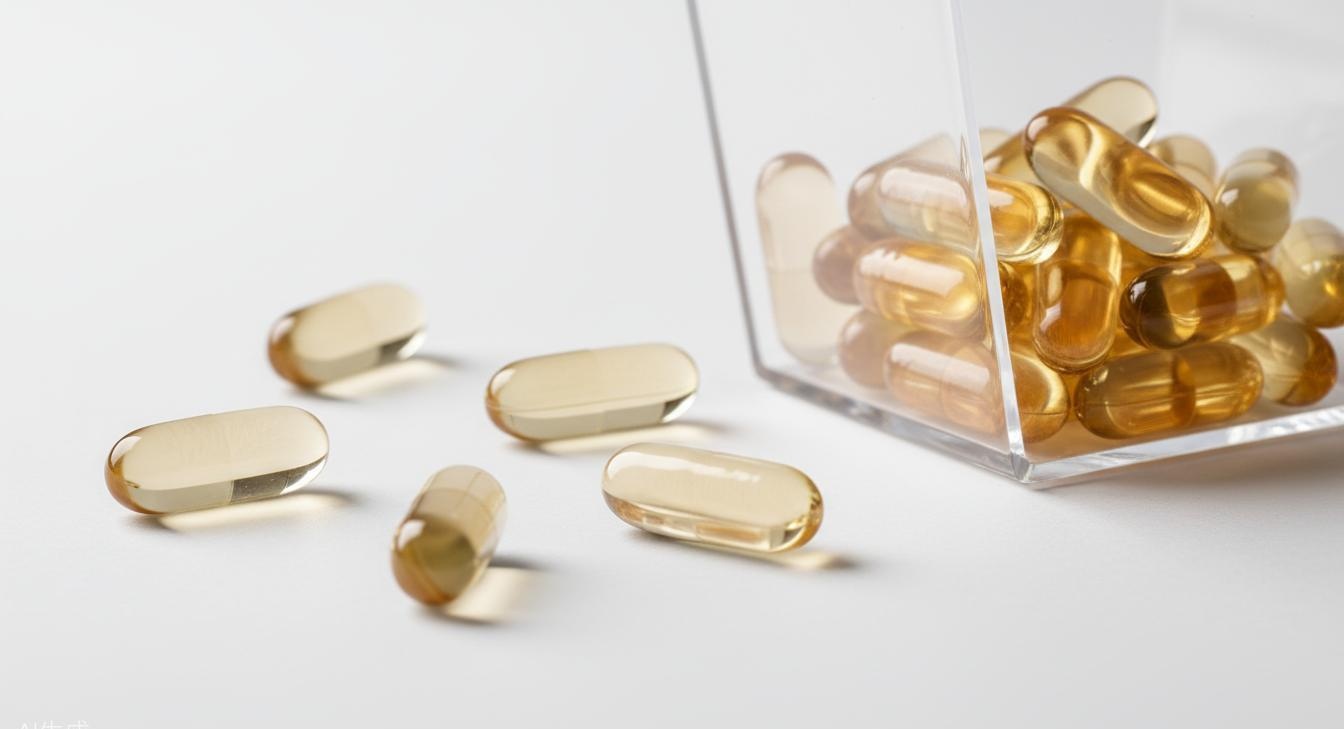
Why Moisture Control Is the Make-or-Break Factor for Sensitive APIs
Most capsule buyers focus on size availability and price. But for formulations containing oxidation-prone actives, the single most critical specification is residual moisture in the shell—not visual appearance, not color options, not packaging configurations.
Capsules with elevated moisture content create a bidirectional threat. First, moisture migrates inward toward hygroscopic fill materials, compromising stability and potentially triggering cross-linking reactions that reduce bioavailability. Second, any water already present in the shell becomes a carrier for oxidative degradation—a particular danger for omega-3 oils, probiotic strains, and certain botanical extracts containing polyunsaturated fatty acids or volatile active compounds.
A high-quality pullulan capsule manufactured under GMP conditions carries less than 0.1% residual moisture, representing a tight moisture barrier that minimizes both ingress and egress. In practical terms, this means your oxidation-sensitive fill stays chemically intact from the moment the capsule is sealed through months of storage in varied climates—from air-conditioned pharmaceutical warehouses in Germany to ambient-temperature distribution centers in Southeast Asia.
For reference, a 2021 study published in the AAPS PharmSciTech journal found that pullulan films demonstrated water vapor transmission rates approximately 10 times lower than gelatin films of equivalent thickness under accelerated stability conditions. This is why leading contract manufacturers in North America and Europe now specify pullulan as their default shell for DHA, EPA, and curcumin formulations. The pharmaceutical industry's shift toward pullulan has been accelerating: according to Grand View Research, the global pullulan capsule market was valued at approximately USD 280 million in 2023 and is projected to grow at a CAGR of 7.2% through 2030, driven primarily by demand for oxygen-barrier capsule materials in the nutraceutical sector.
What Are Pullulan Capsules Made Of? Understanding the Material at a Molecular Level
Pullulan is a water-soluble, naturally occurring polysaccharide produced through the aerobic fermentation of tapioca starch by the fungus Aureobasidium pullulans. The resulting biopolymer consists of repeating maltotriose units linked by α-1,4-glycosidic bonds, with occasional α-1,6 linkages creating a slightly branched structure. This specific molecular architecture is what gives pullulan its distinctive combination of mechanical flexibility and gas-barrier properties.
The fermentation process was first commercialized in 1976 by the Hayashibara Company in Japan, and the material has since been approved as a food additive and pharmaceutical excipient in major markets including the United States (FDA GRAS status), the European Union (EFSA approval), and Japan (JSFA listing).
When processed into capsule shells, pullulan yields a biopolymer with a distinctive combination of properties:
- Oxygen barrier: Pullulan provides an oxygen transmission rate (OTR) below 0.5 cc/m²·day at 23°C and 0% RH—significantly lower than gelatin (3–5 cc/m²·day) and HPMC (8–15 cc/m²·day). Independent laboratory testing confirms pullulan films are approximately 9 times more oxygen-impermeable than gelatin of the same thickness. This barrier performance is stable across a wide temperature range, making pullulan suitable for formulations that may experience thermal variation during shipping and storage.
- Low moisture affinity: Unlike gelatin, pullulan does not require plasticizers (such as glycerin or sorbitol) to maintain structural flexibility. This absence of plasticizers means pullulan capsules retain their mechanical properties across a wide humidity range (25–75% RH) without the moisture-driven structural changes that plague gelatin shells.
- Neutral flavor and odor: Pullulan capsules are essentially tasteless and odorless, preserving the sensory profile of the fill formulation without introducing any masking effects or chemical interactions.
- pH-independent dissolution: While HPMC capsules may exhibit delayed dissolution in low-pH gastric environments, pullulan capsules demonstrate rapid disintegration in both gastric and intestinal fluids, typically within 5–15 minutes.
- No cross-linking reactivity: Gelatin capsules are susceptible to cross-linking when co-formulated with aldehydic compounds, which can dramatically slow dissolution and reduce bioavailability. Pullulan's chemical structure is fundamentally non-reactive with common fill excipients.
The raw material origin—tapioca—also matters for labeling. Pullulan capsules qualify for clean-label claims including "vegan," "vegetarian," "non-GMO," "allergen-free," and "kosher/halal" without requiring special sourcing waivers or certification exceptions.
Pullulan vs. Gelatin vs. HPMC: The Complete Comparison for Procurement Teams
Every wholesale capsule buyer faces the same three-way comparison, and the decision carries real consequences for formulation stability, regulatory compliance, and supply chain complexity.
| Specification | Pullulan | Gelatin | HPMC |
|---|---|---|---|
| Oxygen barrier (OTR) | <0.5 cc/m²·day | ~3–5 cc/m²·day | ~8–15 cc/m²·day |
| Residual moisture | <0.1% | 2–4% | 3–5% |
| Vegan/vegetarian | ✔ Yes | ✘ No | ✔ Yes |
| Kosher/Halal certified | ✔ Yes | Requires special sourcing | ✔ Yes |
| Dissolution time | 5–15 min (pH-independent) | 10–20 min | 15–30 min (pH-sensitive) |
| Cross-linking risk | Very low | Moderate | Low |
| Clarity | Transparent | Opaque/translucent | Semi-translucent |
| Thermal stability | High | Moderate (softens ~60°C) | High |
| Plasticizer required | No | Yes (glycerin/sorbitol) | No |
| Allergen risk | None | Bovine/porcine concern | None |
For oxygen-sensitive APIs, pullulan is the clear winner on barrier performance. Gelatin remains the budget option for stable, non-oxidation-prone fills where cost is the primary driver. HPMC capsules occupy the middle ground—plant-based and relatively stable, but with notably weaker oxygen barrier performance.
Why <0.1% Residual Moisture Is a Game-Changer for Your Formulation
Residual moisture specification is where most capsule quality differences become invisible but consequential. Here's the practical impact in your production environment:
For probiotic formulations: Probiotic strains are extraordinarily moisture-sensitive. Even 1–2% moisture ingress from a high-moisture capsule shell can reduce viable cell counts by 40–60% within 6 months, according to stability studies published by the International Probiotic Association. Pullulan's sub-0.1% residual moisture essentially eliminates this failure mode.
For omega-3 and fish oil fills: Lipid oxidation is catalyzed by moisture-mediated free radical generation. A pullulan capsule acts as a dual barrier—both oxygen-blocking and moisture-blocking—extending shelf life by an estimated 18–24 months compared to gelatin alternatives, without requiring antioxidant additives such as BHA, BHT, or rosemary extract.
For hygroscopic ingredients: API powders that absorb atmospheric moisture (many botanicals, amino acids, and mineral compounds) are protected by the low-moisture environment inside a pullulan capsule. The external shell does not donate moisture to the fill over time.
For climate-flexible storage: Markets in Southeast Asia, the Middle East, and tropical climates present elevated humidity challenges during storage and distribution. Pullulan capsules' moisture stability reduces the risk of shell embrittlement or fill degradation even when cold-chain logistics are inconsistent.
The Pullulan Capsule Manufacturing Process: What Quality Looks Like
Understanding how pullulan capsules are manufactured helps procurement teams evaluate supplier claims and identify quality differentiators. The production process follows these key stages:
Raw material sourcing and testing: Tapioca starch is sourced from approved suppliers and tested for heavy metals, microbial load, and viscosity parameters before use. Any batch failing specification is rejected before production begins.
Fermentation and purification: The starch is fermented by Aureobasidium pullulans under controlled conditions (temperature, pH, oxygen supply) for 48–72 hours. The resulting pullulan polymer is then extracted, purified, and dried to a fine powder meeting pharmaceutical excipient standards.
Capsule manufacturing: The pullulan powder is dissolved in purified water with minimal auxiliary materials (no plasticizers, no titanium dioxide). The solution is poured onto rotating drum formers to produce capsule body and cap halves with precise wall thickness (typically 100–150 µm). The two-piece capsules are sorted, inspected, and packaged under controlled humidity conditions (typically <30% RH) to maintain the sub-0.1% residual moisture specification.
Quality testing: Every production batch undergoes full pharmacopoeia testing before release, including moisture (Karl Fischer), disintegration time, OTR, dimensional tolerances, and microbial limits.
The entire process requires fewer excipients than gelatin capsule production, which simplifies regulatory compliance and reduces the risk of hidden quality variations from plasticizer grade changes. For more on pullulan's manufacturing advantages, see Vivion's manufacturer's guide.
The Business Case for Sourcing Pullulan Capsules Wholesale
Buying capsules wholesale is fundamentally a scale decision—but the material you choose at scale amplifies either your quality advantages or your cost vulnerabilities over time.
Volume Economics
A professional pullulan capsule supplier typically structures pricing at tiered MOQs, with per-unit costs dropping meaningfully at orders above 10 million units. A standard 100-million-unit annual consumption translates to approximately 2,000 cases of size 0 capsules (assuming ~50,000 units per case), which fits comfortably in a standard 20-foot container shipment. This means the full annual supply for a mid-sized nutraceutical brand fits in a single shipping container, simplifying logistics and reducing per-unit freight costs.
The pricing curve for pullulan capsules typically follows a 15–20% cost reduction from the entry tier (1–5 million units) to the high-volume tier (50+ million units). When negotiating with a pullulan capsule supplier, always request a price breakdown that separates unit cost, tooling or setup fees, certificate-of-analysis costs, and freight estimates.
Supply Chain Stability
Renhe Capsule Co., Ltd., the manufacturing facility behind ShancyCapsule's global exports, operates 12 automated production lines with a verified annual capacity exceeding 100 billion capsules. This scale means buyers sourcing pullulan capsules wholesale receive consistent batch-to-batch specifications without the lot-to-lot variation that plagues smaller manufacturers. Having 12 independent production lines also provides built-in redundancy—if one line requires maintenance, production continues without interruption.
The company's track record, established in 1999, has supported exports to over 100 countries across North America, Europe, the Middle East, and Southeast Asia. This geographic diversity of customer base signals that the supplier has experience navigating diverse regulatory requirements and logistics challenges.
Regulatory Compliance as Default
A credible pullulan capsule supplier should provide the following documentation package with every wholesale order:
- Certificate of Analysis (CoA) per batch, including moisture (Karl Fischer), disintegration time, and OTR test results
- FDA Drug Master File (DMF) Type IV or equivalent for excipient registration in the US market
- HALAL certification from an accredited body (e.g., Islamic Food and Nutrition Council of America)
- KOSHER certification where required
- GMP compliance statement and on-site audit reports
- Heavy metal and microbial testing per USP <661> or EP standards
- Residual solvent testing where applicable, per ICH Q3C guidelines
Having these documents pre-packaged with every shipment dramatically reduces your QC team's pre-release workload and accelerates customs clearance in destination markets. For buyers entering the European Union, ensure your supplier's testing aligns with the European Pharmacopoeia (Ph. Eur.) in addition to USP.
Application Scenarios: When to Choose Pullulan Capsules
Pullulan capsules wholesale are not a universal fit—and understanding your specific formulation's vulnerability profile tells you whether pullulan is the correct choice:
Best fit for pullulan capsules:
- Omega-3, EPA/DHA, and fish oil softgel alternatives in solid-fill capsule format
- Probiotic capsules (Lactobacillus, Bifidobacterium, Streptococcus thermophilus strains)
- Botanical extracts with high polyphenol content prone to oxidation (curcumin, resveratrol, green tea extract)
- Nutritional oils and medium-chain triglyceride (MCT) formulations
- Any product marketed as vegan, kosher, halal, or allergen-free where labeling simplicity is a commercial advantage
- Products destined for high-humidity markets (Southeast Asia, Middle East, tropical regions)
- Premium clean-label supplements where transparent shell appearance adds consumer appeal
- Pediatric and geriatric formulations where flavor neutrality and rapid dissolution are essential
Less critical fit:
- Standard over-the-counter tablets and powder fills with stable, non-oxidation-prone actives
- Cost-driven formulations where price is the primary procurement criterion
- Applications requiring enteric coating (pullulan alone is not enteric; specialized coating processes are needed)
Pullulan Capsule Size Guide: Matching Your Fill Volume to the Right Shell
ShancyCapsule offers pullulan capsules in the complete size range from 00#EL to 2#, covering approximately 0.3 mL to 0.75 mL fill volume per capsule half-pair:
| Capsule Size | Approximate Fill Volume | Typical Application |
|---|---|---|
| 00#EL | 0.70–0.75 mL | Large-volume herbal extracts, multi-strain probiotics |
| 00# | 0.60–0.68 mL | Standard adult supplements, omega-3 formulations |
| 0# | 0.50–0.60 mL | Most common size for capsules, broad application range |
| 1# | 0.35–0.45 mL | Pediatric formulations, high-potency single ingredients |
| 2# | 0.30–0.35 mL | Small-volume high-dose actives, mini-capsules |
For powder fills, always validate your weight-to-volume ratio with your formulation team. Compressed powder density varies significantly based on particle size, flow characteristics, and active load percentage. Running a bulk density test on your actual fill formulation before ordering capsules is standard practice among professional contract manufacturers.
How to Qualify a Pullulan Capsule Supplier: A Buyer's Practical Checklist
Selecting the right pullulan capsule supplier for your wholesale order is a multi-step process. Use this checklist as your evaluation framework:
- Manufacturing credentials: Confirm the supplier's facility is cGMP-compliant and holds relevant certifications (ISO 9001, FDA registration, HALAL/KOSHER where applicable). Ask for a copy of their most recent regulatory audit report. Look for audits conducted by recognized bodies such as NSF International, SGS, or TÜV.
- Technical documentation package: Request a sample CoA before placing your first order. Verify that residual moisture testing, disintegration time, and OTR values are all included—not just bulk density and dimensional tolerances.
- Pilot sample testing: Always order a pilot sample (typically 1,000–5,000 units) and run it through your filling line before committing to a full container order. Capsule surface friction, cap-body fit, and static charge behavior vary by production batch and can significantly affect your line speed.
- MOQ and lead time transparency: Understand the supplier's minimum order quantity and standard lead time clearly. For pullulan capsules, typical lead times from confirmed order to port shipment range from 3–6 weeks, depending on size configuration and any custom requirements.
- Supply redundancy planning: For annual volumes above 50 million units, discuss the supplier's ability to buffer 1–2 months of finished goods inventory. A reliable supplier should be willing to maintain a safety stock program against your rolling 3-month forecast.
- Communication and responsiveness: Your supplier's response time to technical queries is a proxy for the quality of service you can expect post-order. A supplier that takes more than 48 hours to respond to a technical specification request will likely create bottlenecks when you need rapid sampling or certificate re-issuance.
- Audit rights: For orders above 50 million units annually, negotiate the right to conduct or commission a manufacturing facility audit. This right is standard among professional pharmaceutical ingredient procurement teams.
Understanding the Cost Dynamics of Pullulan Capsules Wholesale
Pullulan capsules typically carry a 20–40% price premium over equivalent gelatin capsules and a 10–25% premium over HPMC capsules. This differential reflects the more complex fermentation-based manufacturing process and the specialized tapioca raw material sourcing.
However, the total cost of ownership analysis often favors pullulan when you account for:
- Reduced additive costs: You may be able to eliminate or reduce antioxidant additives in your formulation because the capsule shell provides meaningful oxygen protection. Eliminating just one antioxidant system can save $4–12 per kilogram of finished product.
- Lower failure rates: Capsules that maintain integrity through varying humidity conditions reduce batch rejection rates and rework costs in your filling operation. Industry data suggests that moisture-related capsule defects account for 2–5% of batch rejections in humid market regions for gelatin users. Switching to pullulan typically reduces this to below 0.5%.
- Labeling simplification: The allergen-free, vegan, and halal compatibility of pullulan eliminates the need for multiple certification tracks on your finished product label.
- Consumer preference premium: In markets where transparent capsules signal premium quality, pullulan's crystal-clear appearance can command a retail shelf advantage. Consumer research indicates that a significant portion of supplement buyers associate transparent capsules with higher product quality.
For high-value fill formulations (probiotics, omega-3s, botanical extracts with >$50/kg active ingredient costs), the pullulan premium is almost always justified by shelf-life extension and reduced formulation compromise.
Quality Assurance: What to Expect from a Professional Supplier
At ShancyCapsule, every batch of pullulan capsules undergoes complete pharmacopoeia testing before release. Our standard quality release package includes:
- Dimensional verification: Cap-body fit, dimensional tolerance per USP <755>
- Disintegration testing: Verified in simulated gastric fluid, targeting <15 minutes
- Moisture content: Karl Fischer titration, specification ≤0.1%
- Oxygen transmission rate: Laboratory-measured OTR <0.5 cc/m²·day
- Microbial limits: Total viable count, yeast/mold, E. coli per USP <61>/<62>
- Heavy metals: Lead, cadmium, arsenic, mercury per USP <233>
- Residual solvents: Where applicable, per ICH Q3C
Our manufacturing facility has served the global pharmaceutical and nutraceutical markets since 1999, with exports reaching North America, Europe, the Middle East, and Southeast Asia. We maintain 12 automated production lines capable of producing over 100 billion capsules annually, ensuring supply stability for our wholesale partners even during peak demand periods.
Conclusion: Making Pullulan Capsules Wholesale Work for Your Supply Chain
Sourcing pullulan capsules wholesale is a strategic procurement decision that compounds across your formulation quality, regulatory compliance, and consumer brand positioning. The material's sub-0.1% residual moisture and oxygen barrier performance make it the optimal choice for protecting oxidation-sensitive APIs and high-value nutritional fills.
For buyers seeking a pullulan capsule supplier that combines manufacturing scale (100+ billion capsules annually, 12 production lines, established in 1999), international compliance (FDA/DMF, HALAL, KOSHER), and responsive service, ShancyCapsule offers a direct factory-to-international-buyer pathway backed by Renhe Capsule Co., Ltd.'s 25+ years of pharmaceutical capsule manufacturing expertise.
Our team provides one-stop customization services—from formulation compatibility guidance and regulatory documentation to branded packaging—ensuring your capsule procurement process is as efficient as your production line.
Explore our full pullulan capsule range or contact us directly to discuss your wholesale requirements and receive a technical specification sheet tailored to your specific formulation.
About the Author
Yubin Wu is the Executive Director of Hangzhou Shancy Import and Export Trading Co., Ltd., where he leads international business development and supply chain management. He and his team focus on the export of empty hard capsules (gelatin, HPMC, and pullulan), serving pharmaceutical and dietary supplement clients across North America, Europe, the Middle East, and Southeast Asia. He is well-versed in capsule specifications, GMP-standard manufacturing processes, and FDA/DMF/HALAL certification requirements. His commitment is to provide international buyers with a transparent, efficient, and highly responsive sourcing experience.