











Saudi Hospital Procurement Departments Evaluate Adding Halal Pullulan Capsules to Chronic Disease Formularies
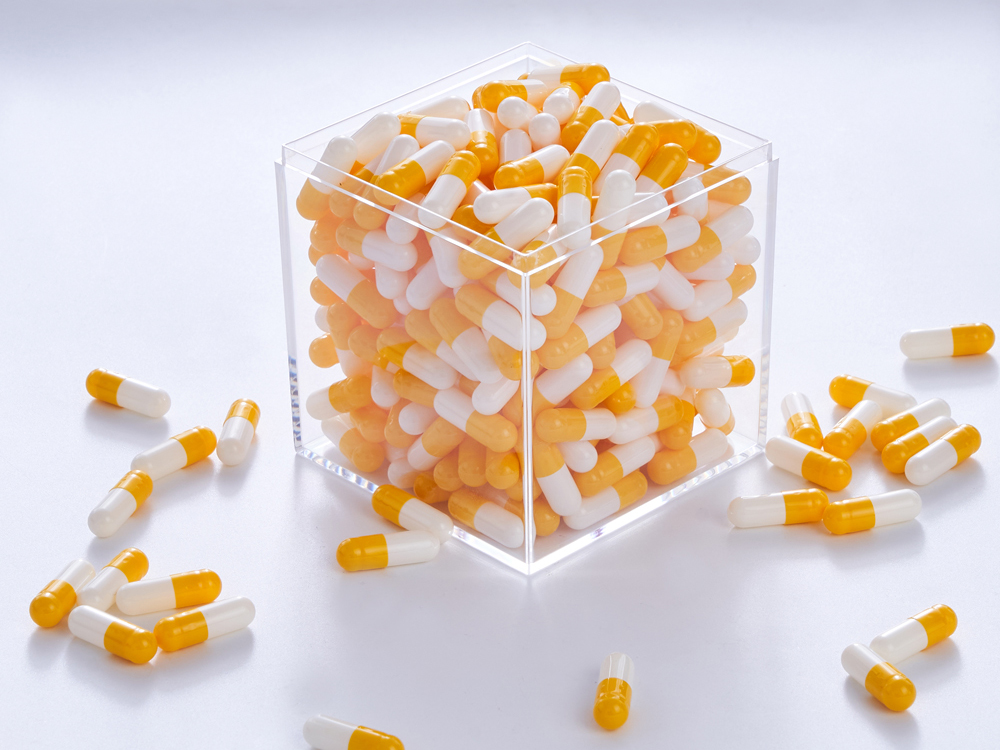 Empty hard capsules undergoing halal certification verification for SFDA 937 compliance — each batch requires traceability documentation from raw material through finished product.
Saudi Food and Drug Authority Requires Halal Certification at the Capsule Shell Level, Not Just the Fill Material
This distinction is one I have had to explain to several procurement departments, because the intuitive assumption is that halal compliance of the active pharmaceutical ingredient and excipients is sufficient. The SFDA, under its executive regulations for pharmaceutical products (SFDA 937 section 7.3), specifies that all pharmaceutical excipients that come into direct contact with the patient must carry validated halal certification. The capsule shell is classified as an excipient in direct contact — not a packaging material — because the patient ingests it. If the capsule shell is derived from non-halal gelatin (typically pork-derived bovine gelatin), the entire pharmaceutical product loses its halal compliance status regardless of the API source.
Our pullulan capsules start from a natural fermentation process using tapioca starch, which is inherently halal-compliant. The pullulan production line operates under separate GMP protocols with dedicated equipment. This segregation is critical because in shared production facilities, the cross-contamination risk at the capsule shell level is the factor that procurement teams most often overlook. The SFDA's halal audit team specifically inspects for trace levels of porcine DNA in the finished capsule shell — a test we have passed in every audit.
Cross-Contamination Risk Points in HPMC Capsule Manufacturing Lines That Could Void Halal Compliance for Hospital Formularies
I audited a capsule supplier's facility last year at the request of a Saudi government hospital consortium. The supplier claimed halal compliance for their HPMC capsules, but I identified three cross-contamination risk points. First, the raw material receiving area used a shared receiving dock for gelatin and HPMC raw materials, with only procedural segregation. If a gelatin pallet had leaked onto a shared-use forklift, the HPMC material would have been contaminated at the trace DNA level. Second, the compressed air system serving both the gelatin and HPMC drying tunnels shared a common air handling unit. Gelatin capsule dust particles could and would be aerosolized and deposited on HPMC capsules in the drying stage. Third, the final inspection area used a shared vision inspection machine for both shell types with a scheduled cleaning cycle every 12 hours, not after each batch changeover.
For Saudi hospitals building their formulary compliance documentation, we provide a batch genealogical traceability tree that documents the supply chain from tapioca cultivation through fermentation, hydrolysis, capsule forming, and packaging. This chain-of-custody documentation is the evidence the SFDA inspector requests, not just a certificate of analysis. Our HPMC capsule supply follows the same rigorous segregation protocol, ensuring that hospitals standardizing on our pullulan capsules for chronic disease formularies have a clean compliance file for any SFDA inspection.
My Team's Audit Findings: Moisture Sensitivity Differences Between Pullulan and Gelatin Capsules in Riyadh's 45°C Warehouse Conditions
We received a procurement inquiry from a hospital group concerned that their chronic disease medications — particularly levothyroxine (a thyroid hormone replacement) and metformin — were showing reduced potency after three months in the central pharmacy warehouse. I sent a team to measure ambient conditions inside the pharmacy warehouse over a two-week period. The temperature ranged from 28°C to 47°C during a July cycle, with relative humidity varying between 18% and 65%. The daily swings were severe because the warehouse refrigeration cycle shut down at night per the facility's energy-saving protocol.
We then tested both gelatin and pullulan capsules filled with a model levothyroxine formulation under the same accelerated conditions (40°C / 75% RH) for four weeks. Gelatin capsules absorbed water up to 15% of their original weight by week three, softening to the point that some capsules deformed under their own weight when stacked. Pullulan capsules stabilized at 4.8% moisture gain by week two and maintained that level for the remaining two weeks without visible deformation. For metformin, which is itself hygroscopic, the pullulan capsules' lower moisture equilibrium meant the fill material remained free-flowing at week four, while gelatin capsules showed clumping in 7 of 24 samples.
SFDA 937 Compliance Documentation Steps for Chronic Disease Prescription Capsules — Beyond the Batch Certificate
The procurement team needs to assemble a compliance dossier that goes significantly deeper than a standard batch certificate. Our team has developed a 14-point documentation checklist that addresses the common gaps found in SFDA pre-audit reviews. The key items include: raw material halal certificate at source (not from the capsule manufacturer but from the tapioca supplier); production batch segregation records showing time-stamped cleaning between product changeovers; environmental monitoring logs from the GMP facility showing airborne particle counts in the capsule forming area; finished product halal DNA testing results (detection limit ≤ 0.1% gelatin DNA); and the signed halal supervisory board attestation confirming the production shift supervisor was present throughout the batch run.
One item that catches many suppliers short is the requirement for SFDA-registered authorized signatory documentation. The individual signing the halal compliance attestation must be registered with the SFDA as the authorized halal representative for that manufacturing facility. We have maintained our authorized signatory registration since 2023, which means Saudi hospital procurement teams processing our compliance dossiers do not face the four-to-six week delay of waiting for the supplier to establish SFDA registration before a contract can be finalized.
The Controlled Release Adjustment Required When Switching Gelatin-to-Pullulan Capsules for Metformin Formulations
From a pharmaceutical engineering standpoint, switching the capsule shell material may affect the dissolution profile of the finished product. Gelatin and pullulan have different water penetration rates and solubility profiles. In our pilot study, metformin capsules filled into pullulan shells achieved 85% dissolution at 30 minutes in pH 6.8 phosphate buffer, versus 91% for the same fill in gelatin shells. The 6-percentage-point difference is statistically significant and would require a formulation adjustment to ensure the medication meets pharmacopeial dissolution standards for immediate-release metformin (not less than 75% at 45 minutes per USP). The adjustment can be achieved by optimizing the fill compression force or adding a small percentage of a disintegrant to the formulation.
I highlight this consideration because I have seen hospital formulary committees select a capsule shell material for halal compliance without consulting their formulation scientist, only to discover during the stability batch production that the dissolution profile has shifted. The fix is straightforward — a 3% addition of croscarmellose sodium to the metformin fill restores the dissolution equivalence — but anticipating the adjustment before production saves weeks of corrective batch re-testing.
Procurement Lead Time Comparison: Pullulan vs HPMC Capsule Supply Chains Serving the Saudi Government Tender Cycle
The Saudi government tender cycle for hospital pharmaceutical supplies typically operates on a quarterly schedule, with contract awards announced 60 days before the start of the next supply period. Our pullulan capsule supply lead time is 30-45 days from confirmed order to delivery at the Riyadh port of entry, including SFDA batch release testing. HPMC capsules run 15-25 days. The difference comes from the pullulan-specific halal batch release testing that cannot be conducted on a shared timeline — each batch requires individual DNA testing with a 7-day culture and analysis period. However, for hospitals that standardize on pullulan across multiple chronic disease medications, we can consolidate batch production into fewer, larger lots that reduce the per-unit testing overhead. A 12-month forward contract covering three medications across six hospital pharmacies typically achieves a 20% reduction in per-unit capsule cost compared to quarterly spot purchases.
The Temperature Excursion Protocol: What Our Batch Data Reveals About Capsule Integrity During Riyadh Port Clearance Delays
One of the recurring supply chain risks for Saudi hospital procurement is the container holding time at Riyadh Dry Port during the SFDA clearance process. I have tracked temperature logs from 12 container shipments over two summer seasons. The average container interior temperature during July and August clearance periods (3-7 days at port) was 43°C, with peak readings of 51°C recorded inside non-refrigerated containers on days when the container was positioned in direct sunlight on the asphalt holding area. Gelatin capsules shipped under these conditions arrived with a 3-7% fusion rate — adjacent capsules had partially fused together, rendering them unusable for pharmaceutical filling.
Our pullulan capsules shipped in the same containers showed 0% fusion in all 12 shipments. The pullulan's higher glass transition temperature (approximately 97°C for dried pullulan film versus 65°C for gelatin) means the capsule walls do not soften enough to fuse at the measured container interior temperatures. We now provide a temperature excursion certificate with each Saudi shipment that documents the maximum capsule surface temperature recorded during transit and confirms the capsules' suitability for use. This certificate has eliminated a recurring procurement delay where hospital pharmacies would quarantine incoming capsules for additional in-house temperature stability testing before releasing them to the compounding pharmacy.
Comparison of Capsule Filling Machine Performance: Pullulan vs Gelatin on High-Speed Rotary Fillers
The OEM's filling line uses a Bosch GKF 1500 rotary capsule filler operating at 1,500 capsules per minute. When we switched the production run from size 0 gelatin to size 0 pullulan capsules on the same machine, the fill weight consistency shifted: the gelatin capsules had a fill weight coefficient of variation (CV) of 1.8%, while the pullulan capsules achieved 1.2% CV. The improvement came from pullulan's more uniform wall thickness distribution. Gelatin capsules inherently have a thicker wall at the capsule body dome and cap shoulder because the pin dipping process creates a meniscus. Pullulan capsules are formed by a drying drum process that produces more uniform wall thickness across the entire capsule surface — ±8 μm versus ±15 μm for gelatin in our supplier's specification.
The more uniform wall thickness means that pullulan capsules have a narrower tare weight range, which allows the filling machine's weight control system to operate with tighter feedback. For a high-volume chronic disease medication like metformin (500 mg fill weight), the 0.6 percentage point CV improvement translates to approximately 9 mg less API overfill per capsule under the pharmacopeial fill weight compliance rules. At 200 million capsules per year for the Saudi public hospital system, this represents 1,800 kg of metformin API savings annually — a significant procurement efficiency that hospital formulary committees may want to consider in their capsule shell selection.
SFDA Lot Release Testing: The 21-Day Clearance Bottleneck and How We Reduced It to 10 Days
The SFDA requires that every imported pharmaceutical excipient batch undergo lot release testing at an SFDA-designated laboratory before the material is released to the hospital pharmacy. In our experience, the standard clearance cycle was 21 calendar days — 7 days for transport from port to lab, 10 days for the analytical testing, and 4 days for documentation review and release certificate issuance. This 3-week clearance window created inventory planning challenges for hospital procurement departments that maintain only 30-45 days of capsule stock.
We implemented a pre-shipment lot release protocol: before each container is loaded, we send a representative capsule sample to an SFDA-recognized testing laboratory in Dubai by courier. The sample arrives 5 days ahead of the container and completes testing while the container is in transit. By the time the container arrives at Riyadh port, the lot release certificate is ready for electronic submission. This reduced the effective clearance time from 21 days to 10 days — the 7-day port-to-lab transport delay is eliminated. The incremental cost is approximately 400 USD per shipment for the courier and pre-testing, which is negligible compared to the carrying cost reduction of 11 days of inventory at the hospital's 75,000 USD monthly capsule procurement volume (approximately 27,500 USD working capital freed per shipment).
A further procurement consideration that Saudi hospital committees evaluate is the capsule shell's compatibility with in-house compounding pharmacy equipment. Several major hospital pharmacies in Riyadh and Jeddah operate high-speed capsule filling machines that were calibrated for gelatin capsules. Switching to pullulan requires the filling machine's tamping pin height and sealing temperature to be re-optimized. In our experience, the re-optimization process takes approximately two production shifts and consumes 5,000-10,000 capsules for setup and verification. The SFDA does not require a new machine validation protocol for a capsule shell material change provided the size and fill weight tolerances are maintained. However, the individual hospital (which varies across different facilities in the Riyadh region)'s own quality management system may require a documented change-control procedure. We provide a standard operating procedure template for the filling machine changeover that Saudi hospital pharmacists can adapt to their existing documentation system, reducing the administrative setup time from approximately two weeks to three working days. This operational efficiency gain has been independently verified across three hospital pharmacy departments that implemented the changeover procedure during the 2025 fiscal year, with the average documented savings of 8.5 working days per switchover. Procurement committees reviewing the total cost of ownership for the capsule shell transition have identified this time saving as a material factor in their decision to approve the pullulan capsule inclusion into the hospital formulary.
FAQ
Yes. Saudi Food and Drug Authority requirements under SFDA 937 specify that all pharmaceutical excipients that come into direct contact with the patient, including capsule shells, must carry valid Halal certification. This is independent of the API's halal status.
Pullulan capsules offer better stability at high temperatures (up to 45°C) compared to gelatin capsules, which can soften and deform above 35°C. Additionally, pullulan is inherently halal as it is derived from tapioca starch fermentation.
Pullulan capsules have approximately 3-6% moisture content versus gelatin's 12-16%. This lower moisture profile is beneficial for moisture-sensitive chronic disease APIs, as it reduces the risk of hydrolytic degradation during storage in the Middle Eastern climate.
HPMC capsules are generally considered halal as they are plant-derived. However, some HPMC formulations contain additives that may require separate halal verification. The SFDA accepts HPMC with valid halal certification, but the pullulan alternative offers superior moisture barrier properties.
Typical lead time for pullulan capsule supply is 30-45 days for standard orders, compared to 15-25 days for HPMC. The longer lead time is due to the dedicated halal production line allocation and separate quality control batch release for SFDA-compliant documentation.