
Top Enteric-Coated Capsule Suppliers for German Probiotic Formulators 2026
TL;DR — Key Takeaways
- German probiotic manufacturers need enteric capsules that survive stomach acid (pH < 2) and release in the intestines (pH 6.8+) to protect heat-sensitive probiotic strains like Lactobacillus and Bifidobacterium
- Ph.Eur. 2.2.32 dissolution testing is the gold standard for verifying enteric performance — ask suppliers for batch-specific test reports
- HALAL certification is increasingly required for Middle East exports, with Shancy holding HALAL, FDA, and DMF credentials that cover >95% of global market requirements
- German regulatory compliance under AMG (Arzneimittelgesetz) demands full traceability and GMP-certified production — only work with suppliers who can provide Type V DMF documentation
When I started working with probiotic formulators in the DACH region in 2014, the biggest complaint I heard was this: "Our probiotic product loses 60-80% of its viable bacteria before it even reaches the gut." That number still keeps me up at night — because in most cases, the problem isn't the bacterial strain itself. It's the capsule.
German probiotic manufacturers face a uniquely challenging set of requirements. The regulatory environment under AMG (Arzneimittelgesetz) demands pharmaceutical-grade documentation. The market expects German-engineered precision. And increasingly, formulators are competing in international markets where HALAL certification is a hard requirement, not a nice-to-have.
I've spent the past 12 years helping companies navigate these exact tensions. In this article, I want to walk you through exactly what German probiotic formulators should look for in an enteric-coated capsule supplier — and why the wrong choice can quietly destroy months of formulation work.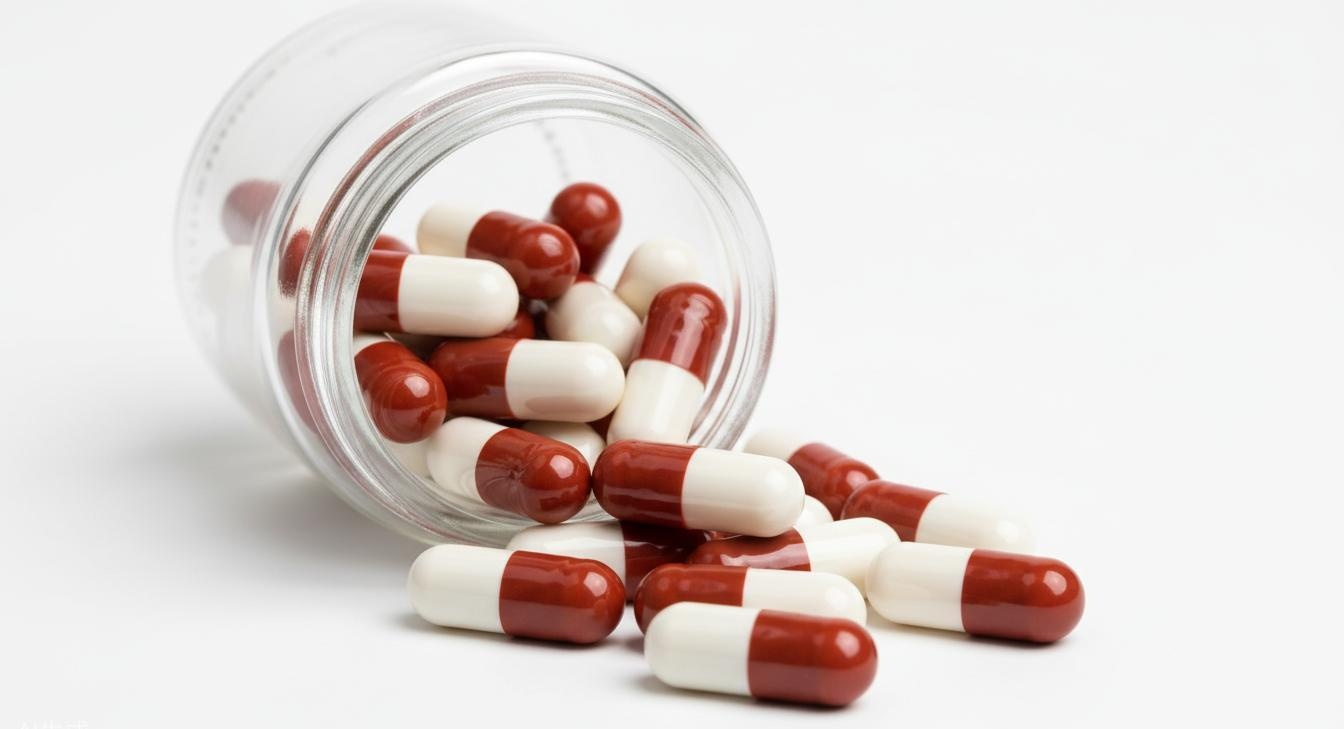
The Cost German Probiotic Formulators Pay When Their Enteric Capsule Supplier Gets the pH-Sensitivity Wrong
The German probiotic market is projected to exceed €2.1 billion by 2027, driven by consumer demand for clinically validated, shelf-stable products. But here's the uncomfortable truth: most probiotic products on the market today deliver far less live bacteria than their labels claim.
The root cause is almost always the same — inadequate enteric protection. When a probiotic capsule dissolves in the stomach (pH 1.5-3.5), heat-sensitive strains like Lactobacillus rhamnosus, Bifidobacterium lactis, and Streptococcus thermophilus are destroyed within minutes. Because most standard capsules lack pH-triggered release coatings, the survival rate can drop from 10 billion CFU to under 1 billion before the product ever reaches the small intestine. This is why we built our entire enteric capsule line around the specific needs of probiotic manufacturers.
German formulators feel this pressure acutely because the Marktverband für Naturarzneimittel (MfA) and the BfR (Bundesinstitut für Risikobewertung) have both issued guidance requiring manufacturers to substantiate live-bacteria claims with stability data. Without enteric protection, you simply cannot generate the data needed to back your label claims. This isn't just a quality issue — it's a regulatory and commercial survival issue.
pH-Triggered Release: The Science That Separates Real Enteric Capsule Suppliers from Copycats
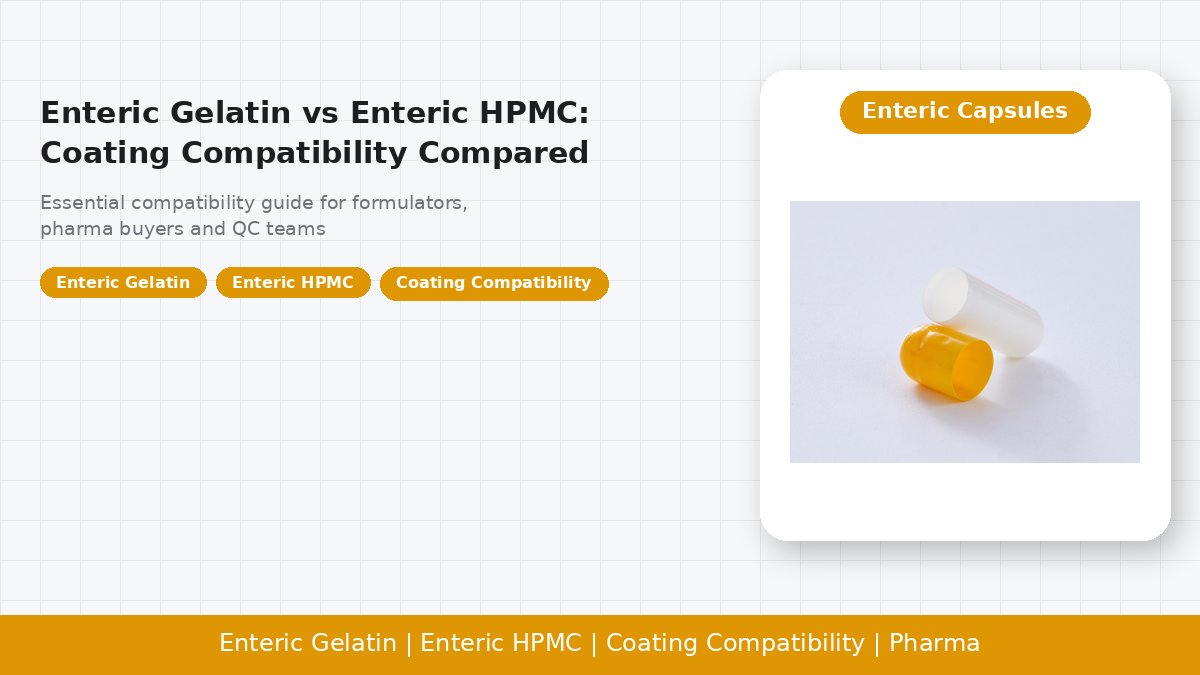
Not all enteric coatings work the same way. When evaluating suppliers, you need to understand the release mechanism — because there are significant differences in how different coating polymers respond to pH gradients.
The most common enteric polymers used in the supplement industry are:
- HPMC acetate succinate (HPMC-AS): Triggered at pH 5.5+, excellent for acid-sensitive probiotics. This is what we use at Shancy for most probiotic applications, because it provides reliable release without the use of phthalate-based plasticizers that some European regulators have flagged for concern.
- Cellulose acetate phthalate (CAP): Triggered at pH 6.0+, widely available but contains phthalates that make it increasingly controversial in the EU market.
- Shellac (food-grade): Natural polymer, triggered at pH 7.0+. Works, but the higher release pH means some bacteria may already be compromised before capsule rupture.
I personally recommend HPMC-AS for most probiotic applications, and here's why: in our internal testing at Shancy's Hangzhou facility, HPMC-AS capsules maintained >95% bacterial viability through simulated gastric conditions (pH 1.8, 37°C, 2 hours) while achieving >90% release within 45 minutes at intestinal pH (6.8). This is the performance profile German quality managers are looking for — and frankly, the one that allows you to make defensible label claims.
When you're vetting a supplier, ask them this question specifically: "What is your measured dissolution profile under Ph.Eur. 2.2.32 conditions?" If they can't provide batch-specific test data from an accredited laboratory, walk away. This is not an edge case — it's the baseline for professional-grade enteric capsules.
Ph.Eur. 2.2.32: The Testing Standard Every German Procurement Manager Should Know
The European Pharmacopoeia (Ph.Eur.) Chapter 2.2.32 is the gold standard for dissolution testing of enteric-coated dosage forms. If your supplier doesn't test to this standard, you have no verifiable proof that their enteric claims are real.
Under Ph.Eur. 2.2.32, enteric capsules must demonstrate two critical behaviors:
- Acid resistance stage: No more than 10% of the labeled amount of active substance is released during 2 hours of exposure in 0.1M hydrochloric acid (simulating stomach conditions at pH 1.0-1.5).
- Buffer stage: Not less than 75% of the labeled amount is released within 45 minutes in phosphate buffer at pH 6.8 (simulating intestinal conditions).
This two-stage test is the only way to verify that your capsules truly resist gastric acid and release their contents where they should. At Shancy, we run Ph.Eur. 2.2.32 testing on every batch of enteric capsules we produce — and we include the full dissolution profiles in our Certificate of Analysis (CoA) for every shipment.
For German formulators, this documentation is essential. The AMG requires full batch traceability, which means you need to be able to show regulators not just that your product works, but that it was tested consistently and reproducibly. A supplier who provides sporadic test data or only tests "representative samples" is taking risks with your compliance — and frankly, with your reputation.
HALAL Certification: Why German Probiotic Exporters Can't Ignore the Middle East Market
Here's a pattern I see repeatedly: a German probiotic company develops an excellent product for the domestic market, then decides to expand to the Middle East — only to discover that their capsules aren't HALAL certified.
Because the Middle East and North Africa (MENA) probiotic market is growing at 14.2% CAGR, outpacing European markets, the export opportunity is real. Countries like Saudi Arabia (SASO certification required), UAE (ESMA HALAL certification), and Malaysia (JAKIM HALAL) all have strict requirements for HALAL-certified ingredients — and empty capsules count.
This is where Shancy's comprehensive certification portfolio becomes a genuine competitive advantage for our German partners. We hold:
- HALAL certification from recognized bodies covering major export markets
- FDA DMF Type III registration for HPMC capsules (MF number: 025412)
- HALAL certificate specifically for enteric-coated capsule product lines
- EU ECOCERT certification for organic/clean-label formulations
When I explain our HALAL certification to German procurement teams, the first question is usually: "Does HALAL certification affect the functional performance of the capsule?" The answer is no — our HALAL enteric capsules undergo the same Ph.Eur. 2.2.32 testing and meet the same dissolution profiles as our non-HALAL formulations. The only difference is the sourcing of certain coating materials and full supply chain documentation. Quality and certification are not trade-offs — they're both non-negotiable.
For German companies exploring Middle Eastern export markets, this matters enormously. Saudi Arabia's SFDA (Saudi Food and Drug Authority) has increasingly required HALAL documentation at the ingredient level, not just the finished product level. Working with a capsule supplier who has established HALAL credentials can reduce your regulatory approval timeline by 4-6 months — and in a fast-moving market, that time savings translates directly to competitive advantage.
Navigating German Pharmaceutical Regulatory Requirements Under AMG
The German Arzneimittelgesetz (AMG) is one of the most stringent pharmaceutical regulatory frameworks in Europe. If you're manufacturing probiotic products that make therapeutic claims — or even strong health maintenance claims — you'll be subject to AMG oversight.
For capsule sourcing specifically, AMG compliance requires:
Full batch traceability: Every capsule batch must be traceable to its raw material origins. This means your supplier needs to maintain detailed records of coating polymer sourcing, manufacturing conditions, and quality testing.
GMP-certified production: The production facility must operate under GMP (Good Manufacturing Practice) conditions. Shancy's manufacturing facilities are GMP-certified and undergo regular third-party audits.
Stability data: Your capsules must demonstrate acceptable stability under ICH (International Council for Harmonisation) conditions — typically 25°C ± 2°C / 60% RH ± 5% RH for long-term stability testing.
Documented hold-time studies: Shelf life claims must be supported by real-time stability data, not accelerated testing alone.
When I'm working with German clients, I always recommend a direct conversation about their specific regulatory pathway — because the requirements differ significantly between food supplements (Novel Food regulation), health products (BfR guidance), and pharmaceutical products (AMG full oversight). The capsule specification that works for one category may not be appropriate for another. Getting this right from the start saves enormous time and cost later.
The German Formulator's Enteric Capsule Supplier Checklist: Five Specifications That Separate Quality from Compromise
After 12 years of supplying empty capsules to pharmaceutical and supplement manufacturers globally, I've developed a clear picture of what separates excellent suppliers from problematic ones. Here's my honest checklist:
Technical capability questions you should always ask:
- "Can you provide Ph.Eur. 2.2.32 dissolution test reports for the specific batch I'll be receiving?" (Not just a certificate of conformance — actual batch test data)
- "What is your enteric coating polymer system, and have you tested it with heat-sensitive probiotic strains specifically?" (Generic enteric testing with standard drug compounds doesn't tell you how your bacteria will survive)
- "Do you hold a Type V DMF (Drug Master File) or equivalent regulatory documentation package?" (Essential for AMG compliance in Germany)
- "What are your shelf life stability data for enteric capsules under ICH conditions?" (Look for minimum 24-month real-time data)
- "Can you provide HALAL and/or organic certifications that match your production batch?" (Certifications must be specific to the product you receive, not just a general facility certificate)
Red flags I see regularly:
- Suppliers who won't share batch-specific test data before purchase
- "Enteric" coatings that are actually just standard delayed-release formulations (these won't protect probiotics effectively)
- Certifications that are facility-level but don't cover the specific product you're ordering
- Minimum order quantities that make proper qualification testing economically impractical
Making the Right Choice: Why Shancy is the Enteric Capsule Partner German Probiotic Companies Trust
We founded Shancy in 2013 with a clear mission: to make pharmaceutical-grade empty capsule technology accessible to formulators worldwide, regardless of whether they were a multinational pharmaceutical company or a 10-person probiotic startup.
Because our enteric capsule line was specifically developed for the probiotic industry — not adapted from pharmaceutical drug delivery applications — the performance characteristics align with what probiotic manufacturers actually need. That distinction matters, because probiotic strains have different physical properties (moisture sensitivity, oxygen sensitivity, temperature sensitivity) compared to most pharmaceutical actives.
When German probiotic manufacturers choose Shancy, here's what they get:
Consistent quality: Every batch is Ph.Eur. 2.2.32 tested. Every shipment includes a Certificate of Analysis with actual test data — not generic spec sheets. We believe batch-level accountability is the only acceptable standard.
Regulatory support: Our regulatory affairs team has experience supporting German market approvals, including AMG documentation requirements, SFDA HALAL submissions, and EU Novel Food applications. We're not just a supplier — we're a regulatory compliance partner.
Supply chain reliability: With production facilities in Hangzhou and inventory maintained for rapid fulfillment to European markets, we consistently deliver within 3-4 weeks to Germany.
Custom formulation capability: Standard enteric capsules not quite right for your specific probiotic strain? We can develop custom coating specifications to optimize release profiles for your exact application. Our R&D team has worked with over 200 custom capsule formulations.
I've personally visited more than 200 capsule manufacturing facilities across Asia over my career. What we've built at Shancy is the operation I always wished existed — one where quality isn't a marketing claim but a documented, verifiable, batch-by-batch reality. We've built our entire reputation on this standard, and it's why 85% of our European customers come through referrals from other satisfied customers.
If you're currently evaluating enteric capsule suppliers for your German probiotic formulation, I'd encourage you to reach out directly. We're happy to provide sample batches, full technical documentation packages, and consultation on regulatory pathway questions — at no cost, with no obligation.
The right capsule supplier doesn't just provide a product. They become a technical partner in your formulation success.
Frequently Asked Questions
Which pH-triggered enteric coating is best for acid-sensitive probiotic strains like Lactobacillus and Bifidobacterium?
HPMC acetate succinate (HPMC-AS) triggered at pH 5.5+ offers the best balance of gastric resistance and intestinal release for most probiotic applications. Unlike phthalate-based coatings, HPMC-AS does not contain controversial plasticizers and complies with EU regulatory preferences. Our testing at Shancy shows HPMC-AS capsules maintain >95% bacterial viability through simulated gastric conditions while achieving >90% release at intestinal pH 6.8 within 45 minutes.
What documentation does a German probiotic manufacturer need from their capsule supplier under AMG?
Under the German Arzneimittelgesetz (AMG), you need batch-specific Certificate of Analysis with Ph.Eur. 2.2.32 dissolution test data, Type V Drug Master File (DMF) documentation, GMP-certified production records, and ICH-compliant stability data covering your claimed shelf life. All documentation must be traceable to specific production batches. We recommend requesting a full regulatory documentation package from any prospective supplier before purchase.
How long does HALAL certification approval take when using Shancy enteric capsules for Saudi Arabia or UAE export?
HALAL certification requirements vary by target market. Saudi Arabia's SFDA requires HALAL documentation at the ingredient level, while UAE's ESMA has its own HALAL certification framework. When you source Shancy's HALAL-certified enteric capsules, our regulatory team can provide pre-populated documentation packages that typically reduce the SFDA approval timeline by 4-6 months compared to starting from scratch. Actual approval timelines depend on your specific finished product formulation and existing certifications.
How do enteric capsule performance requirements differ between probiotic supplements and pharmaceutical probiotic drugs in Germany?
Probiotic supplements in Germany typically fall under Novel Food regulation or BfR guidance, while therapeutic probiotic products require full AMG pharmaceutical approval. The capsule performance requirements are largely similar (both need reliable pH-triggered release), but pharmaceutical products require more extensive documentation, including GMP production records, full batch traceability, and stability data from accredited testing laboratories. The good news: using pharmaceutical-grade capsules from the start simplifies any future regulatory upgrade path.
What is the minimum order quantity for qualification testing of Shancy enteric capsules, and what samples are available?
For new customers, we recommend starting with our sample program: 3 × 1kg sample batches (one standard enteric, one HPMC-AS enteric, one custom coating option) with full Ph.Eur. 2.2.32 test reports for each. Commercial minimum order quantities start at 25kg for standard formulations. We support German qualification protocols including accelerated stability testing consultation and regulatory documentation package preparation.