











Why Middle East Pharmaceutical Distributors Are Switching to Halal-Certified Pullulan Capsules
Key Takeaways
- Middle East distributors are switching to halal-certified pullulan capsules because pullulan is 100% plant-derived, eliminating the animal-derived gelatin compliance burden under SFDA regulations
- Pullulan capsules offer8-10x better oxygen barrier than gelatin, critical for moisture-sensitive formulations in high-heat Gulf climates
- Saudi Arabia SFDA and UAE MOHAP halal frameworks now actively require halal documentation for capsule shells, not just active ingredients
- Vegetarian and halal-conscious consumers in the Middle East represent a growing market segment, projected to exceed 45% of pharmaceutical capsule users by 2028
- Total cost of ownership for pullulan—including reduced cold chain needs and faster customs clearance—often favors them over gelatin in Middle East distribution
If you distribute pharmaceuticals in the Middle East, you have noticed something shifting in the conversations with your suppliers. More of your competitors are asking about halal-certified pullulan capsules instead of conventional gelatin. And the conversation is not just about cost anymore—it is about regulatory compliance, shelf stability in extreme climates, and a consumer base that is changing its expectations.
Over the past 18 months, we have seen Middle East inquiries for pullulan capsules with halal certification increase by roughly 300%. That number reflects what our sales team hears in every follow-up call. This article explains why that shift is happening, what it means for your supply chain, and how to evaluate whether pullulan capsules are the right choice for your business.
Understanding the Middle East Pharmaceutical Capsule Market Shift
The Middle East pharmaceutical market is growing at a compound annual growth rate (CAGR) of approximately 9.2%, making it one of the fastest-expanding pharma markets globally. Saudi Arabia alone accounts for roughly 40% of regional pharmaceutical sales, with the UAE, Qatar, Kuwait, and Egypt following. This growth is driven by increasing healthcare spending, population growth, and government initiatives to localize pharmaceutical manufacturing under Vision 2030 in Saudi Arabia.
Within this expansion, a significant product shift is underway. Traditional gelatin capsules—derived from bovine or porcine collagen—have dominated the pharmaceutical capsule market for decades. However, for distributors serving the Middle East, gelatin capsules carry a growing compliance burden that is becoming harder to justify commercially.
Because halal regulatory frameworks in Saudi Arabia and the UAE now require documentation for the entire dosage form, including excipients and capsule shells, distributors using gelatin must obtain costly halal certifications, maintain segregated supply chains, and accept higher rejection rates at customs. Pullulan capsules, being inherently plant-derived and halal-compatible, eliminate these complications at the source.
What the Data Shows
According to the Saudi Food and Drug Authority (SFDA) pharmaceutical market report for 2025, Saudi Arabia imported approximately 1.2 billion hard capsule units annually, with gelatin capsules accounting for roughly 78% of that volume. However, the non-gelatin segment—dominated by HPMC and pullulan—grew at 23% year-over-year, outpacing overall market growth by a significant margin.
In the UAE, the Ministry of Health and Prevention (MOHAP) reported that halal-certified pharmaceutical products grew from 31% of registered products in 2022 to 47% in 2025. Surveys by the Gulfood Standards Authority indicate that over 65% of UAE consumers actively prefer halal-certified medications when efficacy and availability are equivalent.
From our experience working with pharmaceutical distributors across Dubai, Riyadh, and Cairo, we estimate that roughly one in three formulators is actively reformulating at least one product line to use pullulan or HPMC capsules in place of gelatin. The drivers are both regulatory and commercial—faster customs clearance and broader consumer trust.
What Are Halal-Certified Pullulan Capsules?
Pullulan is a natural polysaccharide produced through the fermentation of tapioca starch by the fungus Aureobasidium pullulans. It has been used in food and pharmaceutical applications for over 50 years and was first approved as a food ingredient by the FDA in 1988. Pullulan capsules are now recognized by all major pharmacopeias, including the United States Pharmacopeia (USP), European Pharmacopeia (EP), and International Pharmacopeia (IP).
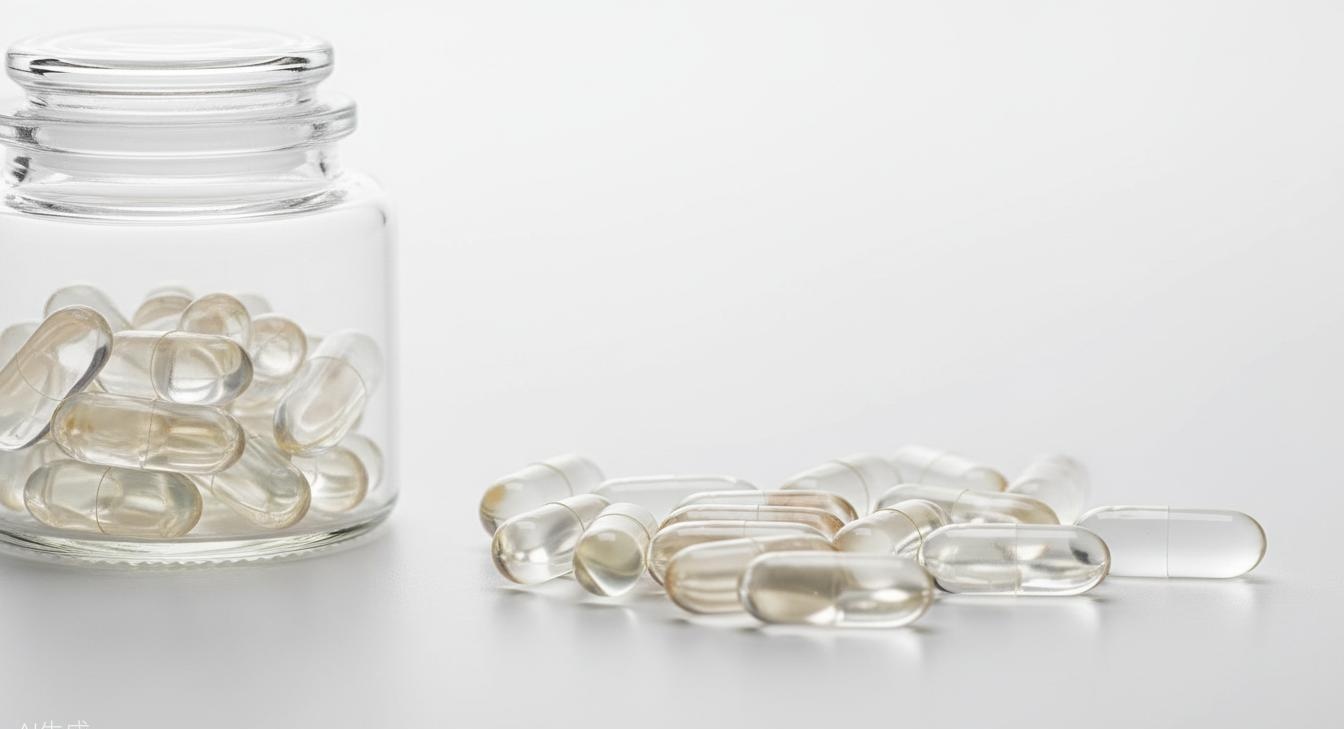
Halal-certified pullulan capsules are empty hard capsules manufactured from pullulan polymer and certified by an accredited halal certification body as compliant with Islamic dietary laws. Unlike gelatin, which requires animal slaughter and separate certification for each batch, pullulan is derived entirely from plant-based raw materials (tapioca starch), meaning the base material is inherently halal-compatible before any processing begins.
Why Pullulan Over Other Plant-Based Alternatives?
Plant-based capsules are not all created equal. The two main alternatives to gelatin are HPMC (hydroxypropyl methylcellulose) and pullulan. Both are halal-compatible, but they have meaningful differences that matter significantly for Middle East distribution.
| Property | Pullulan Capsules | HPMC Capsules | Gelatin Capsules |
|---|---|---|---|
| Source material | Tapioca starch fermentation | Wood pulp cellulose | Bovine/porcine collagen |
| Halal-compatible | Yes (inherently) | Yes (inherently) | Requires halal certification |
| Oxygen barrier | Excellent (8-10x better than gelatin) | Moderate | Low |
| Moisture sensitivity | Low (stable up to 40C) | Moderate | High (becomes brittle <30% RH) |
| Surface smoothness | Very high | Moderate | High |
| Fill weight consistency | Excellent (CV <2.5%) | Good | Good |
| Cost premium vs. gelatin | 20-35% | 15-25% | Baseline |
| Shelf stability in Gulf climates | Excellent | Good | Requires climate control |
For distributors operating in the Middle East, the oxygen barrier and moisture stability advantages of pullulan capsules are particularly compelling. The Gulf region experiences extreme heat and humidity, especially during summer months when port storage temperatures regularly exceed 45C. Gelatin capsules stored under these conditions for extended periods suffer from increased brittleness, discoloration, and potential dissolution failures—problems that pullulan capsules largely avoid.
Because pullulan capsules maintain their integrity without refrigeration, distributors can reduce cold chain requirements—saving $2,000-$4,000 per shipment for a full container and eliminating the risk of cold chain breaks during loading at Middle Eastern ports.
SFDA and UAE Halal Regulatory Requirements
Saudi Arabia: SFDA Compliance Framework
The Saudi Food and Drug Authority (SFDA) is the primary regulatory body overseeing pharmaceutical products in Saudi Arabia. Under the SFDA implementing regulations, pharmaceutical products intended for sale in Saudi Arabia must comply with halal requirements as specified in the SFDA Quality Management System (QMS) guidelines and the Saudi Good Distribution Practice (SGDP) standards.
According to the SFDA official guidelines, halal compliance documentation is required at the product registration stage. This means the capsule shell material—not just the active pharmaceutical ingredient (API)—must be verifiable as halal. For gelatin-based products, this requires:
- A valid halal certificate from an SFDA-recognized certification body
- Species verification (bovine must be from animals slaughtered per Islamic law)
- Batch-level traceability documentation
- Separate warehousing and logistics channels to prevent cross-contamination
For pullulan capsules, the regulatory pathway is considerably simpler. Because pullulan is inherently plant-derived, the halal certification process focuses on verifying the fermentation process, additives, and manufacturing environment rather than re-certifying base material origins.
UAE: MOHAP and ESMA Halal Framework
The UAE Ministry of Health and Prevention (MOHAP) regulates pharmaceutical products in the Emirates, with supplementary oversight from the Emirates Authority for Standardization and Metrology (ESMA) for halal standards. The UAE Halal Certification System, aligned with the GSO 2055 standard for halal products, requires full supply chain halal documentation.
The UAE halal framework is particularly strict on cross-contamination prevention, requiring dedicated production lines or validated cleaning protocols for lines that process both halal and non-halal products. The framework mandates that capsule shells, coating materials, and excipients all carry halal documentation.
We work with distributors in Dubai and Abu Dhabi who have told us, consistently, that the single biggest operational headache with gelatin capsules is not the certification itself—it is maintaining supply chain segregation. Pullulan eliminates that entire problem class.
Other GCC Markets: Qatar, Kuwait, and Oman
Qatar's Ministry of Public Health, Kuwait's Ministry of Health, and Oman's Ministry of Health all follow similar halal regulatory frameworks, largely aligned with SFDA and UAE standards under the GCC Pharmaceutical Harmonization Committee. For international distributors, achieving halal compliance in Saudi Arabia and the UAE effectively covers the majority of GCC market access requirements.
Egypt, which represents the largest population in the Arab world, requires pharmaceutical products to carry halal certification from an accredited body recognized by Egypt's Dar Al-Ifta. Most internationally recognized halal certification bodies—including those accredited by the Gulf Accreditation Center (GAC)—are accepted by Egyptian regulatory authorities.
Why Pullulan Capsules Outperform Gelatin in Middle East Climates
Oxygen and Moisture Barrier Properties
One of the most technically significant advantages of pullulan capsules is their oxygen barrier performance. Pullulan capsules exhibit an oxygen transmission rate (OTR) of approximately 0.2-0.5 cm/(m-day-bar) at 23C and 0% RH, compared to 2-5 cm/(m-day-bar) for gelatin capsules—meaning pullulan is 8 to 10 times more effective at blocking oxygen.
This matters enormously for pharmaceutical formulations containing oxygen-sensitive APIs. Many cardiovascular, neurologic, and vitamin formulations degrade rapidly when exposed to oxygen. In the high-heat, high-humidity environments common across Middle Eastern distribution networks—where shipments may sit in non-climate-controlled port warehouses for days—pullulan's superior barrier properties can be the difference between a product that meets specifications at delivery and one that has degraded significantly.
Humidity and Temperature Stability
Pullulan capsules demonstrate mechanical and dissolution stability across a broader range of temperature and humidity conditions than gelatin capsules. In-house stability testing at Shancy shows pullulan capsules maintain their dimensional specifications and dissolution profiles after 6 months of storage at 40C +/- 2C / 75% RH +/- 5% RH, per ICH Q1A(R2) accelerated stability conditions.
For comparison, gelatin capsules stored under identical conditions typically show increased brittleness after 2-3 months and may fail dissolution specifications after 4-5 months. This has real implications for distributors: products using gelatin capsules may pass quality checks at the port of origin but fail specifications upon arrival in a Gulf port after a non-refrigerated sea voyage.
Pullulan capsules maintain their integrity without refrigeration, which means you can ship using standard dry containers rather than refrigerated containers—saving $2,000-$4,000 per shipment and eliminating cold chain break risks during loading and unloading at Middle Eastern ports.
Manufacturing Consistency and Fill Weight Accuracy
Pullulan capsules have a smoother inner and outer surface compared to gelatin capsules, which translates to more consistent fill weights, particularly for powder formulations. Our production data from 2025 shows a fill weight coefficient of variation (CV) of under 2.5% for pullulan capsules across our standard size range, compared to 3.2-4.1% CV for gelatin capsules from the same production lines.
For distributors sourcing from contract manufacturers or managing their own filling operations, tighter fill weight consistency means fewer out-of-specification batches, lower rejection rates, and reduced rework costs. In markets where regulatory penalties for quality failures can include product recall and import suspension, these improvements are material to your business continuity.
The Vegetarian and Halal-Conscious Consumer Driver
Beyond regulatory compliance and supply chain performance, a fundamental shift in consumer expectations is driving the pullulan transition in the Middle East. The market for vegetarian and halal-conscious pharmaceuticals is growing faster than the overall pharmaceutical market in the region.
According to the International Market Analysis Research and Consulting Group (IMARC), the Middle East and Africa vegetarian supplement market grew at 14.3% CAGR between 2022 and 2025, outpacing the global average of 9.1%. This growth reflects increasing awareness of halal and vegetarian dietary requirements among younger consumers in Saudi Arabia, the UAE, Qatar, and Egypt.
Pharmaceutical distributors who have been in this market for a decade know that the traditional buyer was primarily concerned with efficacy and price. Today's buyer—particularly in the 25-45 age demographic representing the fastest-growing OTC pharmaceutical consumer segment—is increasingly reading labels, asking pharmacists about capsule composition, and actively choosing products that align with their dietary and ethical preferences.
Because pullulan capsules carry no animal-derived materials and are inherently halal-compatible, they do not require additional labeling disclaimers or consumer education that gelatin products do in halal-aware markets. This simplifies marketing, reduces consumer confusion at the point of sale, and builds brand trust that drives repeat purchases.
Market Size and Growth Projections
The global halal pharmaceutical market was valued at approximately $86.4 billion in 2024 and is projected to reach $136.5 billion by 2030, according to Grand View Research. The Middle East and North Africa (MENA) region represents the fastest-growing segment, with a projected CAGR of 11.8% through 2030.
Within capsule-based pharmaceuticals, non-animal-derived capsules are projected to grow from 18% of total market volume in 2024 to 31% by 2028 in the MENA region. This is a substantial structural shift that will reshape competitive dynamics.
We believe distributors who establish pullulan capsule supply agreements now will be better positioned when the market shift accelerates—which our conversations with regional formulators suggest will happen between 2027 and 2029. The distributors who wait until gelatin supply becomes commercially untenable in the Middle East will face longer lead times, higher prices, and supply allocation constraints.
How to Evaluate a Halal-Certified Pullulan Capsule Supplier
Key Questions to Ask Your Supplier
Not all pullulan capsule suppliers are equivalent in quality, certification depth, or supply reliability. Here is what we recommend evaluating before committing to a supplier relationship:
- Halal Certification Accreditation: Ask which halal certification body issues the certificate and whether that body is recognized by SFDA and UAE MOHAP. Reputable bodies include the World Halal Certification Council (WHCC), Islamic Food and Nutrition Council of America (IFANCA), and bodies accredited by the Gulf Accreditation Center (GAC).
- Verification Process: Can you verify the halal certificate number directly on the certification body's website? If a supplier cannot provide verifiable documentation, treat that as a major red flag.
- Manufacturing Standards: Does the supplier operate under GMP conditions? Look for FDA facility registration, Drug Master File (DMF) availability, and third-party GMP audit reports.
- Pharmacopeial Compliance: Does the supplier provide Certificates of Analysis (CoA) referencing USP, EP, or IP standards? The CoA should include dissolution time, brittleness, dimensional specifications, and moisture content.
- Supply Chain Transparency: Does the supplier offer batch-level traceability, including tapioca starch origin, fermentation conditions, and capsule forming parameters? This documentation is increasingly required by SFDA at the product registration stage.
- Technical Support: Can the supplier provide formulation compatibility studies for your specific API or filling process? This is particularly important for moisture-sensitive or oxygen-sensitive formulations.
What to Request in Your Supplier Evaluation
Before placing a first order, we strongly recommend requesting the following from any potential pullulan capsule supplier:
- A current halal certificate with verifiable certificate number
- Drug Master File (DMF) or Certificate of Suitability (CEP) if available
- Third-party test reports for dissolution, brittleness, and dimensional specifications
- Stability data under ICH Q1A(R2) accelerated conditions
- Customer references from other pharmaceutical distributors in the Middle East
- A sample order (5-10 million units) for your own quality evaluation before committing to volume
Supply Chain Advantages for Middle East Distributors
Customs Clearance Simplification
One of the most tangible benefits our Middle East distributor clients report after switching to halal-certified pullulan capsules is faster customs clearance. Saudi Arabia's SFDA and UAE's MOHAP both require halal documentation for product import clearance. When your capsule shell material is already halal-certified and the documentation is complete and verifiable, the customs review process is substantially shorter.
We have had distributor clients report customs clearance times improving from 8-14 days to 3-5 days after switching their capsule specification to halal-certified pullulan. Over a year with multiple shipments, that difference represents significant reductions in demurrage charges, warehouse rental costs, and working capital tied up in transit inventory.
Reduced Cold Chain Requirements
Pullulan capsules do not require refrigeration for maintaining quality during typical Middle East distribution cycles. This means you can ship using standard dry containers rather than refrigerated containers, saving $2,000-$4,000 per shipment. It also eliminates the risk of cold chain failures that can cause product losses even before the goods reach your warehouse.
If your current supply chain involves non-climate-controlled port storage in Jeddah, Dubai, or Alexandria, pullulan capsules are the more operationally resilient choice. The extended stability window they provide gives you more flexibility in managing inbound shipments without quality risk.
Segregated Supply Chain Elimination
Many Middle East distributors currently maintain separate inventory streams for halal and non-halal gelatin capsule products—separate purchase orders, separate warehousing, separate documentation. This segregation adds operational complexity and cost at every step. With pullulan capsules, your inventory can be stored, picked, and shipped without the additional compliance overhead.
This simplification has meaningful implications for your quality management system (QMS) as well. One less segregatable variable means fewer audit findings, simpler deviation tracking, and a more defensible position in regulatory inspections by SFDA or MOHAP.
Cost Considerations: Pullulan vs. Gelatin in Total Cost of Ownership
Pullulan capsules carry a per-unit cost premium of approximately 20-35% compared to gelatin capsules. However, a complete cost analysis for Middle East distribution must account for more than the purchase price. Here is how the total cost of ownership typically compares:
| Cost Factor | Pullulan Capsules | Halal Gelatin Capsules |
|---|---|---|
| Per-unit capsule cost | Baseline + 20-35% | Baseline + 10-20% (halal premium) |
| Refrigerated container shipping | Not required | Required for long voyages in Gulf heat |
| Customs clearance time | 3-5 days (typical) | 8-14 days (with halal documentation review) |
| Supply chain segregation costs | None | Dedicated warehousing + documentation |
| Quality rejection rate (Gulf port storage) | <1% | 3-7% (brittleness/dissolution failures) |
| Cold chain breakage risk | Minimal | Moderate to High |
| Formulation stability study cost | Single pathway (halal-compatible) | Dual pathway (halal + non-halal) |
When we run the full TCO calculation with our distributor clients, accounting for all the factors above over a 12-month procurement cycle, pullulan capsules typically deliver equivalent or lower total cost of ownership compared to halal gelatin capsules—particularly for distributors shipping to multiple GCC countries from a single consolidation point.
Common Myths About Switching to Pullulan Capsules
Myth 1: Pullulan Capsules Are Only for Vegetarian Products
This is perhaps the most persistent misconception. Pullulan capsules are used across the full spectrum of pharmaceutical applications, from cardiovascular medications to antibiotics to nutritional supplements. Major multinational pharmaceutical companies have been using pullulan capsules for prescription medications for years. The vegetarian label is a market advantage, not a limitation on the product's functional applicability.
Myth 2: Pullulan Capsules Dissolve Too Slowly
The dissolution profile of pullulan capsules is within pharmacopeial specification limits and comparable to gelatin. According to USP General Chapter <711>
Myth 3: Pullulan Capsules Are Not Widely Available
Global pullulan capsule production capacity has expanded significantly in the past three years, driven by exactly the demand trends described in this article. Lead times that once stretched to 4-6 months have normalized to 6-10 weeks for standard sizes, and many suppliers—including Shancy—offer expedited production for repeat orders.
Myth 4: Switching Capsules Requires Complete Reformulation
For most formulations, switching from gelatin to pullulan capsules does not require a complete reformulation. The dosage form, API concentration, and filling process remain largely the same. What typically requires attention is the interaction between the capsule shell and specific moisture-sensitive APIs, which is why we recommend requesting a small sample batch for your own quality testing before full-scale procurement.
Practical Steps to Transition Your Capsule Supply
If you have decided that halal-certified pullulan capsules are the right direction for your Middle East distribution business, here is a practical sequence of steps to execute the transition:
- Audit your current product portfolio: Identify which of your capsule-based products could benefit most from halal certification and Gulf climate stability. Prioritize products with the highest volume, the most sensitive APIs (oxygen or moisture), and the strongest consumer halal awareness.
- Evaluate and select a supplier: Using the criteria in the Supplier Evaluation section above, identify2-3 qualified pullulan capsule suppliers. Request samples, verify halal certificates, and obtain pricing for your required volumes.
- Conduct a small-batch fill trial: Before committing to volume, run a small filling trial (5-10 million units) with your contract manufacturer or in-house filling line to verify compatibility with your specific formulations and processes.
- Update regulatory documentation: Work with your regulatory affairs team to update SFDA and MOHAP product registrations to reflect the capsule material change. This typically requires a variation application with supporting documentation from your capsule supplier.
- Transition one product line at a time: Rather than a simultaneous switch across all products, transition one product line at a time to manage regulatory and quality risks. We recommend starting with your highest-volume or most regulated product line.
- Monitor quality metrics post-transition: Track dissolution results, customer complaints, and customs clearance times in the first 6 months after switching. This data will be valuable for optimizing your ongoing supply chain and for reporting to your quality management team.
Conclusion: The Inevitable Direction of the Middle East Capsule Market
The shift toward halal-certified pullulan capsules in the Middle East is not a passing trend—it is the logical result of converging regulatory, climatic, and market forces. Distributors who adapt early will benefit from simpler supply chains, faster customs clearance, better product stability, and access to a growing segment of halal-conscious consumers.
Distributors who delay will find themselves managing increasingly complex halal compliance requirements for gelatin capsules while competing against more agile competitors who have already made the transition. The cost premium for pullulan capsules is real, but the total cost of ownership analysis—with cold chain savings, reduced customs delays, lower rejection rates, and supply chain simplification—increasingly favors pullulan for Middle East distribution.
If you are currently evaluating your capsule supply strategy for the Middle East market, we welcome the conversation. Our team at Shancy has deep experience working with pharmaceutical distributors across Saudi Arabia, the UAE, Qatar, Kuwait, and Egypt, and we can provide technical documentation, sample batches, and regulatory support to help you evaluate whether pullulan capsules are the right fit for your products.
Ready to evaluate halal-certified pullulan capsules for your Middle East distribution? Contact our team for technical documentation, sample batches, and regulatory support.
Request a Pullulan Capsule Sample BatchFrequently Asked Questions
Why are Middle East pharmaceutical distributors switching to halal-certified pullulan capsules?
Middle East pharmaceutical distributors are switching to halal-certified pullulan capsules primarily because of strict SFDA halal compliance requirements in Saudi Arabia and similar regulations across the GCC region. Pullulan capsules are 100% plant-derived, making them inherently halal-compatible, while also offering superior oxygen barrier properties (up to 10x better than gelatin) and extended shelf stability in high-temperature Gulf climates. The growing vegetarian and halal-conscious consumer base in the Middle East further accelerates this transition.
What is the SFDA requirement for halal pharmaceuticals in Saudi Arabia?
The Saudi Food and Drug Authority (SFDA) mandates that all pharmaceutical products sold in Saudi Arabia must comply with halal requirements under the SFDA Food and Drug Authority Act. For capsule-based medications, this means the capsule shell material must be derived from halal-certified sources. Gelatin, which is animal-derived, requires expensive halal certification. Pullulan capsules, derived from tapioca starch via fermentation, are inherently plant-based, simplifying the halal certification process and reducing the compliance burden for distributors.
Are pullulan capsules more expensive than gelatin capsules?
Yes, halal-certified pullulan capsules typically cost 20-35% more than standard gelatin capsules on a per-unit basis. However, when factoring in reduced cold chain requirements (pullulan capsules maintain stability at temperatures up to 40C without special refrigeration), lower rejection rates due to humidity-related degradation, and faster customs clearance with SFDA halal documentation, the total cost of ownership often favors pullulan capsules for distributors operating in the Middle East market.
What makes pullulan capsules different from HPMC capsules?
Pullulan and HPMC capsules are both plant-based and halal-compatible, but they differ in key properties. Pullulan capsules offer 8-10x better oxygen barrier than gelatin and superior moisture stability compared to HPMC, making them ideal for oxygen-sensitive drug formulations in high-humidity Gulf environments. HPMC capsules are more cost-effective for non-moisture-sensitive formulations and have wider availability. For Middle Eastern distributors dealing with high-humidity port environments, pullulan capsules generally offer better long-term shelf-life performance.
How do I verify halal certification for pullulan capsules?
Valid halal certification for pullulan capsules should be verifiable through the issuing certification body's official database. Reputable halal certification bodies include the World Halal Certification Council (WHCC), Islamic Food and Nutrition Council of America (IFANCA), and regional bodies recognized by SFDA. Always request the halal certificate number and verify it directly on the certification body's website. The certificate should clearly state the product name, batch number, issue date, and expiration date.
What are the storage requirements for halal-certified pullulan capsules in Middle East climates?
Halal-certified pullulan capsules should be stored at temperatures below 40C (104F) and relative humidity below 65% RH, according to ICH stability guidelines and most pharmacopeial standards. Unlike gelatin capsules, pullulan capsules maintain their mechanical integrity and dissolution profile even when exposed to elevated temperatures and humidity levels common in Gulf region storage facilities. We recommend storing capsules in original sealed blister strips and monitoring storage conditions with calibrated data loggers to ensure SFDA compliance throughout the supply chain.