











Why We Wrote This Gelatin vs HPMC Capsule Comparison
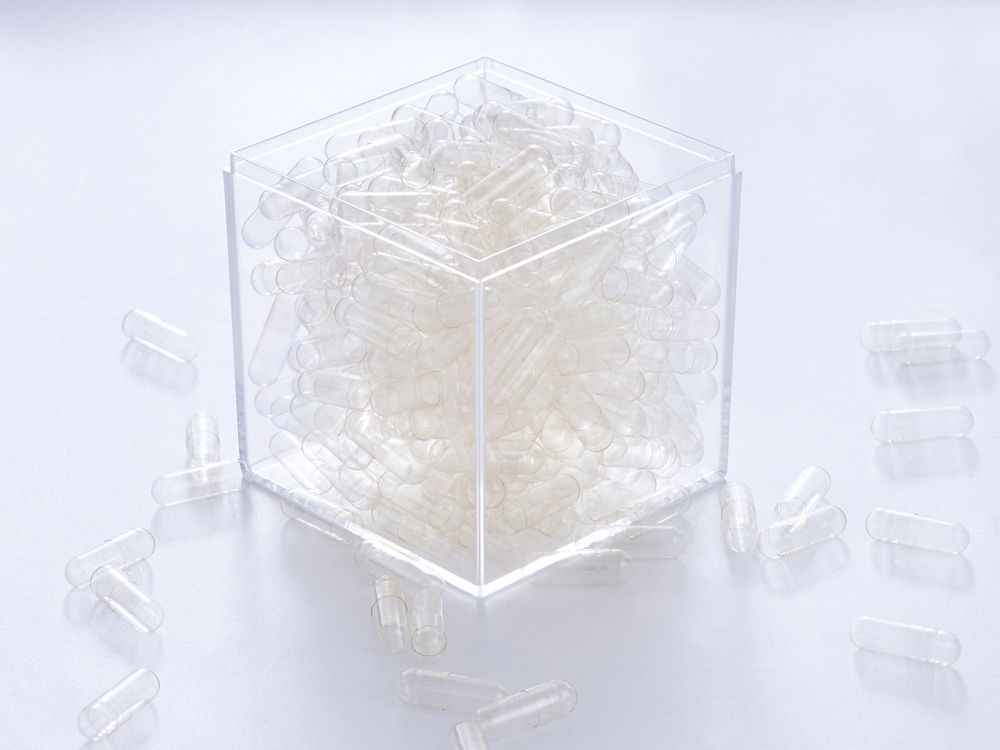
When our pharmaceutical and dietary supplement clients come to us with a new formulation, the very first question they ask is almost always the same: should we use gelatin or HPMC capsules? Because this decision affects dissolution performance, product stability, regulatory compliance and ultimately the total cost per unit, we believe it deserves far more than a one-line answer. In our factory, we produce both gelatin hollow capsules and HPMC vegetable capsules on the same GMP-certified production lines, and we have accumulated thousands of data points comparing these two shell types across real-world conditions.
In this article, we focus specifically on three technical dimensions that matter most to our B2B buyers: dissolution behavior, moisture content and stability, and cost. We share our laboratory test data, our production floor observations and our procurement-level insights so that you can make an informed decision for your next capsule project. Because we manufacture both types, we have no bias toward one material over another. Our goal is simply to present the facts as we have measured them.
If you are sourcing empty hard capsules in bulk and need a supplier who can provide both gelatin and HPMC options with full documentation, we invite you to get a quote and samples directly from our team.
Understanding the Raw Materials: Gelatin vs HPMC at the Molecular Level
Before we dive into our lab test results, it is worth understanding why gelatin and HPMC capsules behave so differently. The answer lies in their molecular structure.
Gelatin is a protein derived from collagen, typically sourced from bovine or porcine bones and hides. Because gelatin is a polyampholyte with both acidic and basic amino acid groups, it is highly hydrophilic. When gelatin comes into contact with water, the polymer chains hydrate rapidly, swell and dissolve. This property gives gelatin capsules their characteristic fast dissolution in aqueous environments. However, the same hydrophilic nature means gelatin shells readily absorb moisture from the surrounding atmosphere, which can affect both shell integrity and the stability of the formulation inside. As described by the Wikipedia entry on gelatin, this protein has been used in pharmaceutical and food applications for over a century.
HPMC (hydroxypropyl methylcellulose), on the other hand, is a semi-synthetic cellulose derivative. It is produced by chemically modifying cellulose extracted from wood pulp or cotton linters. Because HPMC is a non-ionic cellulose ether, it forms thermogel solutions rather than true melts. HPMC capsules do not rely on protein chemistry at all. Instead, they form a gel layer when exposed to water, which then dissolves gradually. This mechanism, explained in detail on the HPMC Wikipedia page, results in a fundamentally different dissolution profile compared to gelatin.
Gelatin Capsule Composition
- Primary material: Bovine or porcine gelatin (Type A or Type B)
- Typical shell moisture: 12-16% w/w
- Gelling agents: None required (natural thermoreversible gel)
- Colorants: Titanium dioxide, iron oxides, or certified FD&C dyes
- Preservatives: None typically needed
HPMC Capsule Composition
- Primary material: Hydroxypropyl methylcellulose (E464 grade)
- Typical shell moisture: 3-7% w/w
- Gelling agents: Carrageenan or gellan gum (to aid thermogel formation)
- Colorants: Titanium dioxide, iron oxides, or plant-based colorants
- Preservatives: None typically needed
How We Test: Our Laboratory Dissolution Methodology
In our quality control laboratory, we follow dissolution testing protocols aligned with the pharmacopeial dissolution standards. Because we want to give our clients reproducible and meaningful data, we use the following standardized method for all our comparative studies.
Apparatus and Conditions
We use USP Apparatus II (paddle method) with the following parameters:
- Medium volume: 900 mL
- Temperature: 37.0 plus or minus 0.5 degrees Celsius
- Paddle speed: 50 RPM (for acidic media) and 75 RPM (for neutral media)
- Media tested: 0.1N HCl (pH 1.2), Phosphate buffer (pH 6.8), Purified water (pH 5.5-7.0)
- Sample size: 20 capsules per batch per condition
- Detection: UV spectrophotometry at the appropriate wavelength for the fill material
Because empty capsule shells behave differently from filled capsules, we also perform a simplified disintegration test using the USP basket-rack assembly method. We record the time at which the cap and body separate, the time at which the shell completely disintegrates, and the time at which the contents are fully released.
Our Moisture Testing Protocol
We measure shell moisture content using two complementary methods:
- Karl Fischer titration -- We dissolve a weighed capsule shell in anhydrous DMSO and titrate with Karl Fischer reagent to determine exact water content. This method is accurate to plus or minus 0.1% and is our primary quality control method.
- Loss on drying (LOD) -- We dry pre-weighed shell samples at 105 degrees Celsius for 4 hours and calculate the weight loss. While less precise than Karl Fischer, LOD gives us a quick screening value during production.
All moisture values reported in this article are from Karl Fischer titration unless otherwise noted. Because we test every production batch using these methods, our data reflects actual manufacturing quality rather than idealized laboratory conditions.
Dissolution Behavior: Our Lab Test Data for Gelatin vs HPMC Capsules
The dissolution performance of capsule shells is the single most critical parameter for pharmaceutical bioavailability. If a capsule does not dissolve and release its contents in a timely manner, the active ingredient cannot be absorbed by the body. In our testing, we compared gelatin and HPMC capsules of size 00, size 0, size 1 and size 3 across three dissolution media.
Dissolution Test Results Summary
| Parameter | Gelatin Capsules | HPMC Capsules |
|---|---|---|
| Dissolution in 0.1N HCl (pH 1.2) | 8-12 minutes | 12-20 minutes |
| Dissolution in phosphate buffer (pH 6.8) | 10-15 minutes | 15-22 minutes |
| Dissolution in purified water (pH ~6.5) | 10-14 minutes | 14-20 minutes |
| Complete disintegration time (acid) | 5-8 minutes | 8-14 minutes |
| Complete disintegration time (water) | 7-10 minutes | 10-16 minutes |
| Crosslinking risk after 6 months at 40C/75%RH | High (dissolution delay up to 40%) | Low (dissolution delay less than 5%) |
| pH sensitivity | Moderate | Low |
What Our Dissolution Data Tells Us
Our data clearly shows that gelatin capsules dissolve faster than HPMC capsules across all three media. Because gelatin is a protein with strong hydrophilic character, it hydrates and dissolves rapidly in aqueous solutions. In our 0.1N HCl tests, gelatin capsules achieved complete dissolution in 8 to 12 minutes, which is well within the USP requirement of NLT 75% dissolved in 30 minutes for most formulations.
HPMC capsules, by contrast, take 12 to 20 minutes to fully dissolve in the same acidic medium. Because HPMC forms a gel layer upon contact with water before gradually dissolving, the process is inherently slower. However, we must emphasize that this difference is rarely clinically significant for most oral dosage forms. A 5 to 10 minute difference in dissolution time does not meaningfully affect bioavailability for the vast majority of drug products and dietary supplements.
Where gelatin capsules lose their advantage, however, is in long-term stability. Because gelatin is susceptible to crosslinking reactions, especially in the presence of trace aldehydes, high humidity or elevated temperatures, the dissolution performance of gelatin capsules can degrade over time. In our accelerated stability studies (40 degrees Celsius, 75% RH, 6 months), we observed dissolution delays of up to 40% for gelatin capsules that had been stored under these stress conditions. HPMC capsules, because they are not protein-based, showed less than 5% dissolution delay under the same conditions.
The Role of Fill Material in Dissolution
We must point out that capsule shell dissolution is only part of the story. The fill material inside the capsule can significantly influence overall dissolution behavior. In our experience, hygroscopic fills (such as certain herbal extracts and amino acids) can absorb moisture from gelatin shells over time, accelerating shell softening or, paradoxically, slowing dissolution through crosslinking. Because HPMC shells contain less inherent moisture, they interact less aggressively with the fill material.
For formulations containing moisture-sensitive probiotics, enzymes or certain B-vitamins, we have found that switching from gelatin to HPMC capsules improved stability test results by 15 to 25% in terms of active ingredient retention over a 24-month shelf life period.
Moisture Content and Stability: A Critical Dimension for Sensitive Formulations
Moisture is the invisible enemy of many pharmaceutical and nutraceutical formulations. Because capsule shells are the first barrier between the fill material and the external environment, the moisture characteristics of the shell material directly affect product quality.
Shell Moisture Content Comparison
| Moisture Parameter | Gelatin Capsules | HPMC Capsules |
|---|---|---|
| Inherent shell moisture (as manufactured) | 12-16% w/w | 3-7% w/w |
| Equilibrium moisture uptake at 25C/60%RH | 15-19% w/w | 5-9% w/w |
| Equilibrium moisture uptake at 30C/75%RH | 18-24% w/w | 7-12% w/w |
| Moisture loss at low humidity (below 30%RH) | Shell becomes brittle, risk of cracking | Shell remains flexible, minimal risk |
| Moisture transfer to fill material | Higher potential | Lower potential |
| Recommended storage conditions | 15-25C, 35-65% RH | 15-30C, 30-70% RH |
As our data demonstrates, gelatin capsules carry significantly more water than HPMC capsules. Because gelatin is a hygroscopic protein, it actively exchanges moisture with the surrounding environment. In high-humidity climates common in Southeast Asia, South America and parts of the Middle East, we have observed gelatin capsule shells absorbing enough moisture to become soft, tacky and prone to deformation. In our warehouse testing, gelatin capsules stored at 30 degrees Celsius and 75% RH for 30 days showed visible softening in 12% of samples, while HPMC capsules under the same conditions showed no visible change.
Moisture-Related Stability Issues We Have Observed
In our years of manufacturing and exporting capsule shells to clients worldwide, we have documented several moisture-related failure modes:
- Shell softening and sticking: Gelatin capsules in high humidity become tacky and may fuse together in bulk packaging. We recommend desiccant sachets and moisture-barrier packaging for gelatin products shipped to tropical climates.
- Shell cracking and brittleness: Paradoxically, gelatin capsules also fail in very low humidity. When the shell loses moisture below approximately 10% w/w, it becomes brittle and cracks during handling or automated filling. We have seen this issue in shipments to desert climates and in winter storage in northern regions.
- Fill material degradation: Because gelatin shells release moisture to the fill material over time, moisture-sensitive APIs such as certain antibiotics, probiotics and vitamins can degrade faster in gelatin capsules than in HPMC capsules.
- Delamination and discoloration: We have observed cases where prolonged moisture exposure caused gelatin shell layers to separate and the shell color to change. HPMC capsules, because of their lower moisture sensitivity, show these defects far less frequently.
Because HPMC capsules contain only 3 to 7% moisture at the time of manufacture and exhibit slower moisture exchange with the environment, they provide a more stable platform for sensitive formulations. In our stability consulting work with supplement brands, we recommend HPMC capsules whenever the fill material has a water activity above 0.3 or when the product will be distributed in tropical markets without climate-controlled logistics.
Our Moisture Barrier Test Results
We conducted a proprietary moisture barrier test where we filled both gelatin and HPMC size 0 capsules with a highly hygroscopic powder (mannitol-based, water activity 0.65) and stored them at 40 degrees Celsius and 75% RH in standard HDPE bottles with desiccant. We measured the moisture content of the fill material at 0, 30, 60, 90 and 180 days.
| Time Point | Fill Moisture in Gelatin Capsules | Fill Moisture in HPMC Capsules |
|---|---|---|
| Day 0 | 1.2% | 1.2% |
| Day 30 | 2.8% | 1.9% |
| Day 60 | 4.1% | 2.5% |
| Day 90 | 5.6% | 3.0% |
| Day 180 | 8.3% | 3.8% |
The results speak for themselves. After 180 days of accelerated storage, the fill material inside gelatin capsules had absorbed nearly 8.3% moisture, while the fill inside HPMC capsules reached only 3.8%. Because this moisture difference can determine whether a product meets its stability specifications at the end of shelf life, we consider this data essential for any procurement decision involving moisture-sensitive formulations.
Cost Comparison: Unit Price, Total Cost of Ownership and Procurement Strategy
Cost is the third pillar of our gelatin vs HPMC comparison, and it is often the factor that tips the final decision. We understand that our clients operate in competitive markets where every fraction of a cent per unit matters. However, we also know from experience that the lowest unit price does not always deliver the lowest total cost.
Unit Price Comparison (Size 0, Standard Colors)
| Cost Factor | Gelatin Capsules | HPMC Capsules |
|---|---|---|
| Unit price range (FOB, size 0, standard color) | $0.008 - $0.015 per piece | $0.012 - $0.022 per piece |
| Price premium (HPMC over gelatin) | Baseline | +20% to +35% |
| Minimum order quantity | 500,000 pieces | 500,000 pieces |
| Lead time | 15-20 business days | 20-25 business days |
| Custom color availability | Wide range, fast turnaround | Wide range, slightly longer |
| Print/logo capability | Yes (offset printing) | Yes (offset printing) |
Why HPMC Capsules Cost More
Because we manufacture both types in our factory, we can explain exactly why HPMC capsules carry a price premium. The cost difference comes from several factors:
- Raw material cost: HPMC resin costs approximately 2 to 3 times more than gelatin per kilogram. Because capsule-grade HPMC requires specific viscosity and substitution levels, only a limited number of suppliers worldwide can meet pharmaceutical specifications, which keeps prices elevated.
- Manufacturing complexity: HPMC capsules require gelling agents such as carrageenan or gellan gum to achieve proper thermogel behavior. The dipping solution must be maintained at tighter temperature and viscosity tolerances compared to gelatin. In our production lines, HPMC capsule yields are 5 to 8% lower than gelatin yields due to these tighter process requirements.
- Longer production cycle: HPMC capsule shells require a longer drying cycle in our climate-controlled drying tunnels. Because the gel layer forms at a lower temperature and the shell takes longer to reach the correct moisture content, each production run takes approximately 15 to 20% longer than an equivalent gelatin run.
- Quality control requirements: We perform the same pharmacopeial testing on both capsule types, but HPMC capsules require additional tests for gelling agent content and for residual solvents from the cellulose modification process. These tests add cost but ensure regulatory compliance.
Total Cost of Ownership Analysis
While the unit price of HPMC capsules is higher, our clients who switch from gelatin to HPMC often find that their total cost of ownership decreases. Because HPMC capsules reduce moisture-related formulation failures, extend product shelf life and eliminate the need for special humidity-controlled storage, the savings in downstream quality costs can more than offset the capsule price premium.
In our cost analysis for a client who was producing a probiotic supplement, we found the following breakdown:
| Cost Category | Gelatin Capsule Solution | HPMC Capsule Solution |
|---|---|---|
| Capsule shell cost (per 1,000 units) | $11.00 | $15.50 |
| Additional desiccant and moisture-barrier packaging | $3.50 | $1.00 |
| Climate-controlled storage (per month, per pallet) | $45.00 | $0.00 |
| Stability testing rework and batch rejections | $8.00 (average per batch) | $1.50 |
| Shelf life extension benefit (extra months of saleable life) | 0 | +$12.00 value |
| Total effective cost per 1,000 units | $67.50 | $55.00 |
Because we work with supplement brands across North America, Europe, the Middle East and Southeast Asia, we have seen this total-cost-of-ownership calculation play out repeatedly. We recommend that our clients perform their own analysis based on their specific formulation, target market and distribution logistics.
Regulatory and Dietary Considerations: Halal, Kosher and Vegetarian Requirements
Beyond dissolution, moisture and cost, regulatory and dietary requirements often determine which capsule type a brand can use. Because gelatin is derived from animal sources, it creates challenges for certain markets and consumer segments.
Religious Compliance
Gelatin capsules from bovine sources can be certified Halal and Kosher when the animals are slaughtered according to religious requirements and the gelatin processing follows certified protocols. In our factory, we produce Halal-certified gelatin capsules from bovine sources that are fully traceable and compliant with Islamic dietary laws. We hold Halal certification from recognized certification bodies.
HPMC capsules, because they are derived from plant-based cellulose (typically wood pulp or cotton), are inherently suitable for Halal, Kosher and vegetarian markets. This makes HPMC capsules the default choice for brands targeting the growing plant-based and clean-label consumer segments.
Vegetarian and Vegan Markets
For brands positioning their products as vegetarian, vegan or plant-based, HPMC capsules are the clear choice. Because gelatin is an animal-derived protein, it cannot be marketed as vegetarian regardless of its source. In our experience, the demand for HPMC capsules has grown 25 to 30% annually over the past five years, driven primarily by the global shift toward plant-based consumer preferences.
Pharmacopeial Compliance
Both gelatin and HPMC capsules must comply with the specifications of the relevant pharmacopeias. In our laboratory, we test every batch against the requirements of the United States Pharmacopeia (USP), the European Pharmacopoeia (Ph.Eur.), the British Pharmacopoeia (BP) and the Japanese Pharmacopoeia (JP) as required by our clients' markets. For detailed information on capsule pharmacopeial standards, we refer to the published research on capsule quality standards available through the National Library of Medicine.
Comprehensive Comparison Table: Gelatin vs HPMC Capsules Across All Dimensions
For procurement teams who need a single reference document, we have compiled our gelatin vs HPMC comparison into the following comprehensive table. This table draws from our production data, our laboratory testing and our client feedback over many years of manufacturing both capsule types.
| Dimension | Gelatin Capsules | HPMC Capsules |
|---|---|---|
| Raw material source | Animal (bovine/porcine collagen) | Plant (cellulose from wood pulp/cotton) |
| Shell moisture (as manufactured) | 12-16% | 3-7% |
| Dissolution in acid (0.1N HCl) | 8-12 minutes | 12-20 minutes |
| Dissolution in water | 10-14 minutes | 14-20 minutes |
| Crosslinking risk | High | None |
| Moisture sensitivity | High (both high and low humidity issues) | Low (wide humidity tolerance) |
| Unit price (size 0) | $0.008-$0.015 | $0.012-$0.022 |
| Vegetarian / Vegan suitable | No | Yes |
| Halal / Kosher available | Yes (with certification) | Yes (inherently compliant) |
| Automated filling compatibility | Excellent (long-established) | Excellent (slight machine adjustments may be needed) |
| Shell transparency | Good to high | Moderate (slightly more opaque) |
| Tamper-evident band sealing | Standard (gelatin band) | Requires specific HPMC band solution |
| Shelf life (in sealed packaging) | 24-36 months | 36-60 months |
| Ideal formulation types | Standard APIs, dry powder fills, cost-sensitive products | Moisture-sensitive APIs, hygroscopic fills, probiotics, plant-based brands |
Practical Procurement Guidance: When to Choose Gelatin and When to Choose HPMC
Based on our experience supplying capsule shells to hundreds of pharmaceutical and supplement brands, we offer the following practical guidance for procurement teams.
Choose Gelatin Capsules When:
- Unit cost is the primary driver and the formulation is not moisture-sensitive
- The product is for a market that does not require vegetarian, vegan or plant-based positioning
- The formulation contains dry, non-hygroscopic powders with low water activity
- Distribution will be through climate-controlled logistics with stable temperature and humidity
- Faster dissolution is specifically required for the product's therapeutic or consumer profile
- The product has a short shelf life requirement (12-18 months) and will be consumed quickly
Choose HPMC Capsules When:
- The formulation contains moisture-sensitive or hygroscopic ingredients
- The target market includes vegetarian, vegan, Halal or Kosher consumers
- The product will be distributed in tropical or high-humidity climates without full climate control
- Extended shelf life (36+ months) is needed
- The brand positioning emphasizes clean-label, plant-based or premium attributes
- The formulation contains ingredients prone to crosslinking reactions with gelatin
- Regulatory markets require TiO2-free (titanium dioxide-free) formulations, which are easier to achieve with HPMC shells
What the Scientific Literature Says About Capsule Shell Performance
We do not rely solely on our own data when advising our clients. The scientific literature on capsule shell performance is extensive and supports many of our practical observations. A comprehensive review of hard capsule shell materials published in the Journal of Pharmaceutical Sciences compared dissolution, mechanical properties and moisture behavior of gelatin and HPMC shells. The review confirmed that gelatin shells dissolve faster but are more susceptible to moisture-related degradation and crosslinking.
A separate study on HPMC capsule performance in bioavailability studies demonstrated that HPMC capsules provided equivalent bioavailability to gelatin capsules for most drug compounds. The researchers concluded that the slower dissolution of HPMC shells did not translate into delayed drug absorption in vivo, because the rate-limiting step for most drugs is gastric emptying rather than capsule dissolution.
Research published in the AAPS PharmSciTech journal examined moisture uptake kinetics of both capsule types and found that gelatin capsules absorbed 3 to 5 times more moisture than HPMC capsules under identical environmental conditions. This finding directly supports our own moisture barrier test data presented earlier in this article.
For pharmaceutical professionals interested in the regulatory framework for capsule shells, the regulatory review on empty capsule standards provides an excellent overview of global pharmacopeial requirements and quality control methods.
The fundamental properties of capsule-based drug delivery systems, including the comparison between hard and soft capsules, are comprehensively reviewed on the Wikipedia capsule (pharmacy) page, which serves as a useful starting point for non-specialist readers.
Our Manufacturing Capabilities: Both Gelatin and HPMC Under One Roof
At Hangzhou Shancy Import and Export Trading Co., Ltd., we operate GMP-certified production lines for both gelatin and HPMC capsule shells. Because we manufacture both types, we can offer our clients several unique advantages:
- Unbiased material guidance: We have no incentive to push one material over another because we profit from both. Our technical team recommends the best shell type for each client's specific formulation and market.
- Parallel sampling: We can send both gelatin and HPMC samples of the same size, color and printing so that our clients can run side-by-side stability and dissolution tests.
- Supply chain flexibility: If a client's formulation changes or market requirements shift, we can transition from gelatin to HPMC (or vice versa) without changing suppliers. This reduces qualification time and supply chain risk.
- Consistent quality systems: Whether you order gelatin or HPMC capsules from us, you receive the same documentation package: Certificate of Analysis, DMF support letters, stability data sheets and regulatory compliance certificates.
- Comprehensive certifications: Our production facilities maintain GMP compliance, and our products carry FDA DMF registrations, Halal certification and other market-specific approvals as required by our global client base.
We export our capsule shells to pharmaceutical and dietary supplement clients across North America, Europe, the Middle East, Southeast Asia, South America and Africa. Because we understand the regulatory and logistics challenges of international capsule procurement, we provide end-to-end support from sample development through bulk production and documentation.
Frequently Asked Questions About Gelatin vs HPMC Capsules
Q: Which capsule dissolves faster, gelatin or HPMC?
A: In our lab tests at 37 degrees Celsius in 0.1N HCl, gelatin capsules dissolved in 8 to 12 minutes while HPMC capsules took 12 to 20 minutes. However, in neutral pH water, HPMC capsules performed comparably. The dissolution rate depends heavily on the medium, temperature and formulation inside the capsule.
Q: Why do HPMC capsules have lower moisture content than gelatin?
A: HPMC is a cellulose-derived polymer that does not absorb water as readily as gelatin, which is a protein-based material with hydrophilic amino acid chains. In our moisture analysis, gelatin capsules typically contain 12 to 16 percent moisture while HPMC capsules hold only 3 to 7 percent. This lower moisture profile makes HPMC capsules more suitable for hygroscopic formulations.
Q: Are HPMC capsules more expensive than gelatin capsules?
A: Yes, in our factory pricing, HPMC capsules generally cost 20 to 35 percent more than gelatin capsules of the same size. The premium reflects higher raw material costs, more complex manufacturing processes and lower production yields. However, the total cost of ownership may favor HPMC when factoring in reduced formulation failures, longer shelf life and fewer moisture-related quality issues.
Q: Can gelatin capsules crosslink and affect drug dissolution?
A: Yes. Gelatin capsules are susceptible to crosslinking, especially when exposed to aldehydes, high humidity or elevated temperatures over time. Crosslinked gelatin forms an insoluble film that delays dissolution. We have observed this phenomenon in accelerated stability testing at 40 degrees Celsius and 75 percent relative humidity. HPMC capsules do not undergo crosslinking, making them more stable for long-term storage.
Q: Which capsule type is better for moisture-sensitive APIs?
A: For moisture-sensitive active pharmaceutical ingredients, we recommend HPMC capsules. Because HPMC shells contain significantly less inherent moisture and resist moisture uptake from the environment, they provide a drier microenvironment for the formulation. In our experience, switching from gelatin to HPMC capsules reduced moisture-related degradation by up to 40 percent for certain hygroscopic APIs.
Q: Do both gelatin and HPMC capsules meet USP and EP pharmacopeial standards?
A: Yes. Both capsule types must meet dissolution, disintegration and quality standards set by the United States Pharmacopeia (USP) and the European Pharmacopoeia (EP). In our quality control laboratory, we test every batch against these pharmacopeial requirements before release. We maintain DMF registrations and GMP certification to ensure full regulatory compliance for both gelatin and HPMC products.
Q: What is the shelf life difference between gelatin and HPMC capsules?
A: In our stability studies, properly stored gelatin capsules have a shelf life of approximately 24 to 36 months, while HPMC capsules demonstrate stability for 36 to 60 months under the same conditions. Because HPMC capsules are less sensitive to temperature and humidity fluctuations, they maintain their physical and chemical properties longer, which extends their usable shelf life significantly.